DNA Databases: Toward Service, Not Servitude
The rapid expansion of DNA databases offers great promise and real risk. How we respond should be shaped by how these technologies impact our relationships.
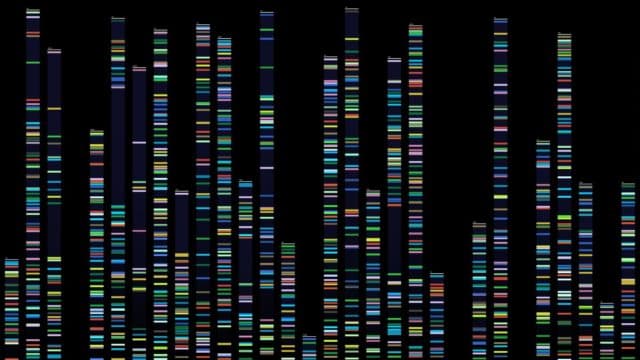
Photo used under license from Shutterstock.com
DNA is information rich. Often referred to as the “code of life,” this molecule carries instructions for living things to develop, function, and reproduce.
Every person harbors their own three billion letter DNA code, better known as their genome. It is unique (except for identical twins), personal, and permanent.
But when it is stored in large databases, the genome carries more than information alone. It holds the potential to benefit areas like health and crime-fighting. It carries the risks of discrimination and exclusion. And, for those who exert ownership over these repositories, the genome carries significant monetary value.
The collection and ownership of personal DNA data is one of many areas where genetics is transforming humanity, often with little fanfare or scrutiny.
This article explores the proliferation of human DNA databases, their ownership, why they matter, and how society might respond.
The Rapid Advance of DNA Databases
Ancestry Tracing and the Business of Genetic Data
The collection and storage of individual DNA profiles is expanding at an astounding rate and for an array of motives.
For example, an estimated 50 million people now have their profiles stored in a commercial ancestry database. Aside from receiving personal clues about family history, a majority of participants have consented to other organizations using their data for research purposes.

Photo used under license from Shutterstock.com
When databases are monetized, your DNA profile becomes the commodity in a multi-billion-dollar industry.
Consider the case of 23andMe. In 2019, the ancestry company sold access to participant’s genetic data to a pharmaceutical company for $300 million. When 23andMe faced bankruptcy six years later, they sold off the genetic and associated data of fifteen million customers for $305 million.
Government and Law Enforcement DNA Databases
While we often think about companies like 23andMe when we think about DNA databases, they extend well beyond ancestry tracing.
If you have been convicted of a crime, arrested, detained, or are a migrant, you might find yourself one of the more than 25 million people whose DNA profile sits in the rapidly expanding US Combined DNA Index System. This system is maintained by the FBI.
Over eighty countries now operate forensic DNA databases, with several containing more than 5% of their population.
China looks set to go further, raising the specter of mass surveillance via a plan to collect DNA from up to 70 million men across the country. This coverage potentially permits any unknown man to be traced back to his family or ethnic group.
The government of the United Kingdom has plans for a DNA database even more comprehensive than China, but with a different purpose. There the plan is to sequence the whole genome of every newborn as part of a national health database. This will underpin a new era in medicine, one tailored to the individual’s genetic make-up.
Biomedical researchers also employ large DNA databases. A prime example of this is the National Institutes of Health-funded “All of Us” project, which aims to recruit more than one million US participants.
One thing is clear: DNA databases abound.
From DNA Profiles to Whole Genomes
It is not only the variety and scale of DNA databases that are increasing, but also the completeness of genome coverage, which is moving from analysis of a few discrete regions to sequencing most or all of it.
The former approach limited interpretation to personal identification. For instance, this analysis was used in cases of natural disaster, war or acts of terror, paternity disputes, immigration cases, or in order to convict or exonerate those accused of crime.
Photo used under license from Shutterstock.com
However, comprehensive coverage reveals far more about a person’s health, physical characteristics, and potentially their personality, aptitudes, or behavioral traits.
The rise of artificial intelligence will only further expand the scope of potential interpretations.
How Should Society Respond?
DNA databases are here to stay.
Consequently, a whole-of-society engagement is needed to promote the benefits and avoid the harms.
How might this outcome be achieved? What can Christian values bring to this debate? In responding to these questions, we should consider two broad domains: the first practical, and the second moral and ethical.
Practical Safeguards for DNA Databases
The practical perspective begins by:
- Defining the purpose of the database,
- Ensuring the consent of participants, and
- Specifying who has the right of access
Strong cyber-biosecurity is essential to ensure privacy and confidentiality, counter data breaches, and minimize the associated risks of identity theft or blackmail.
Guarding against “function creep,” where the purpose of the database changes over time, is also vital to avoid damaging trust.
For instance, in the past law enforcement agencies have accessed ancestry databases to track down criminals. Function creep might look like a national DNA database, initially established to fight crime or improve health, morphing into a national biometric identity database.
Moral and Ethical Frameworks for Thinking About DNA
More fundamentally, how might we approach the ethical and moral perspectives of DNA ownership?
In my book, Unravelling DNA: Applying Christian Values to a Genetic Age, I consider genetic advances in terms of their impact on relationships.
I chose this framework because relationships are a core part of being human. Furthermore, they enable people to reflect the nature of the Triune God, in whose image we are made. Anything that disrupts relationships should ring alarm bells.
That said, how might DNA profiles and associated databases be evaluated in the context of relationship with self, family, and society?
Relationship with Self
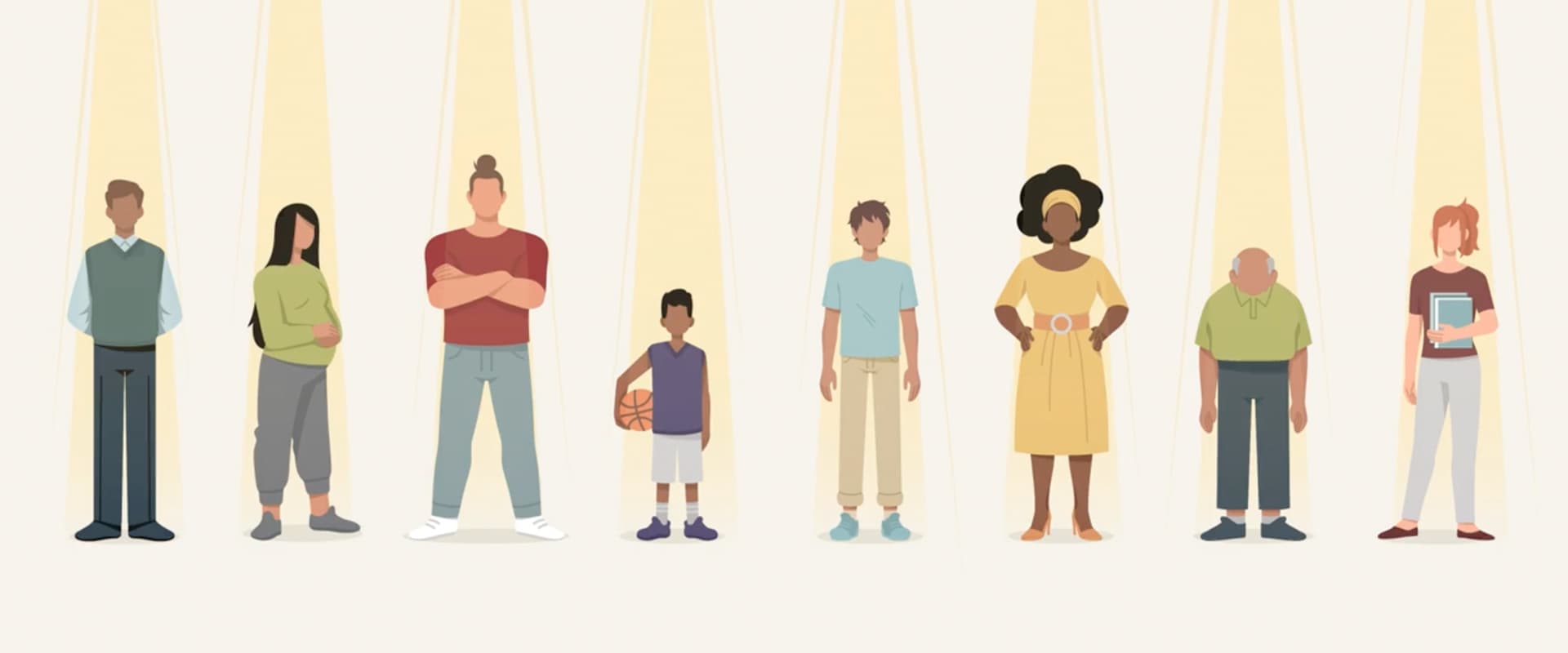
We should reject the reduction of human beings to their genomes.
DNA is an important part of who we are, but it is far from all we are. Our inherent worth comes not from our genetic make-up, but from being made in the image of God.
More Than Your Genes
Science can help us understand how our species came to be but it cannot define our purpose for being.
Using databases as a way to judge people by their “genetic coat,” to devalue, select, or discriminate against must be fiercely resisted.
Relationship with Family
We share our genome most closely with our biological family members, meaning we share ownership of that information. We therefore must balance the rights of privacy and confidentiality between family members.
Exploring your DNA profile may result in far-reaching consequences for your parents, siblings, and children. For instance, doing so might reveal unknown biological relationships (or their absence) or the risk of serious inherited disorders.
The potential for disruption of family relationships brings a responsibility to consider and discuss these effects before proceeding.
Relationship with Society
The way genetic information is used should align with loving our neighbor, caring for the weak and vulnerable, and upholding justice. It should work for the common good, not result in division or discrimination.
Large public DNA databases should reflect the population, for example, in terms of sex, social-economic status, and ethnicity. This helps ensure benefits are applicable to all and reduces the risk of discrimination against minority groups.
Loving Our Neighbors by Knowing Our Genomes
For molecular biologist Tshaka Cunningham, faith compels him and science equips him in his work to increase the representation of people of color in genomic research.
In addition, databases should benefit the population, not just commercial or political entities. For instance, a national health DNA database is a rich research resource for pharmaceutical companies. Governments could ensure equitable benefits by requiring access charges to finance healthcare delivery or negotiate preferential prices on new patents or licensed drugs.
Wide consultation and societal participation in establishing large-scale DNA databases are vital to protect civil liberties and maximize collective benefits.
Living Faithfully in a Genetic Age
Whether we like it or not, we inhabit a genetic age. Already this technology, particularly in combination with artificial intelligence, is transforming our lives.
Christians have much to contribute, drawing on values rooted in a belief in the immeasurable and equal value of every person. Relationships provide one way to frame the debate about DNA databases from a Christian perspective.
The collection, storage, use, and ownership of genetic information certainly raise complex questions. But thankfully we have Jesus, who consistently showed how to bring sacred values to bear in the most challenging circumstances of everyday life.
Dr. Chris Wild is author of Unravelling DNA: Applying Christian Values to a Genetic Age (GBJ Books, 2025).
About the author

Christopher Wild
Related resources
If you enjoyed this article, we recommend you check out the following resources:
Videos

Podcast Episode