Environmental Stewardship and the Church: An Interview with Sandra Richter
In this interview, Dr. Sandra Richter addresses common misconceptions on environmental stewardship, from it's not in the Bible to it's all going to burn.
Image used under license from Shutterstock.com
In this interview, Old Testament Bible Scholar and BioLogos Voices Speaker Dr. Sandra Richter sits down with our BioLogos Editor and talks about the relevance of environmental stewardship to the Church.
For Old Testament Scholar Dr. Sandra Richter, one of the most misunderstood topics of social justice and holiness within the Christian community is environmental stewardship. And, perhaps the most detrimental issue of all is the theological belief that all of creation is destined for destruction. This often perpetuates apathetic attitudes like, “Why bother if it’s all going to burn?”
Dr. Richter wants to help the Church think about environmental stewardship differently. She believes caring for the environment is not peripheral or alien to our faith. And that you can be both a Christian and an environmentalist. Using words like “holiness” and “sanctification” in the context of environmental stewardship, she is helping the Church better understand the Biblical basis to care for creation.
In this interview, Dr. Richter responds to some common misconceptions about environmental stewardship by Christians. From “Environmental stewardship isn’t in the Bible” to “Winning souls is more important,” Dr. Richter addresses these misconceptions with answers that are rooted in Scripture and delivered with grace.
…perhaps the most detrimental issue of all is the theological belief that all of creation is destined for destruction.
Ciara Reyes-Ton: Is this Earth and all of creation really just going to burn? What does Scripture say about this? What should be the Christian posture and response, even if it is all going to burn?
Sandra Richter: First Peter and Thessalonians are often used to make the case for the earth’s destruction. But these passages are actually quoting judgment passages from the Old Testament, where the images of fire and destruction are images of judgment, not annihilation. Further, the Book of Romans and the Book of Revelation clearly declare the resurrection of this current planet, not the annihilation of it. The new heaven and the new earth of Revelation 21 are in fact this very earth healed of its scars and washed clean of its diseases.
For the sake of argument, even if everything is going to burn, is it not still the property of the Almighty? Is he still the Creator? Does he still value it? If he values it, full stop, we’re done with this conversation. If he values it, I as his servant and a steward, must value it. If I don’t, I’m rebelling against the character of my God. How do I get away with that? This posture of disregard for the property of the Creator is not logical, but it’s been built into our worldview.
As to what our posture should be, I think that it can be helpful to consider the mortality of our own bodies and our posture toward caring for them. Just because our bodies will one day perish, doesn’t mean we neglect our health. We recognize that it is our responsibility to care for the bodies God has created and given us. Scripture tells us that our bodies are the temple of the Holy Spirit. Both our bodies and this Earth will pass away, but our posture shouldn’t be one of “eat, drink, and be merry” because death and destruction are inevitable. Absolutely not. That’s a violation of so many of Scripture’s definitions of what our God defines as “holiness.” God values our bodies, this planet, and its creatures so highly that he declares his intention to transform and resurrect them. They are not disposable.
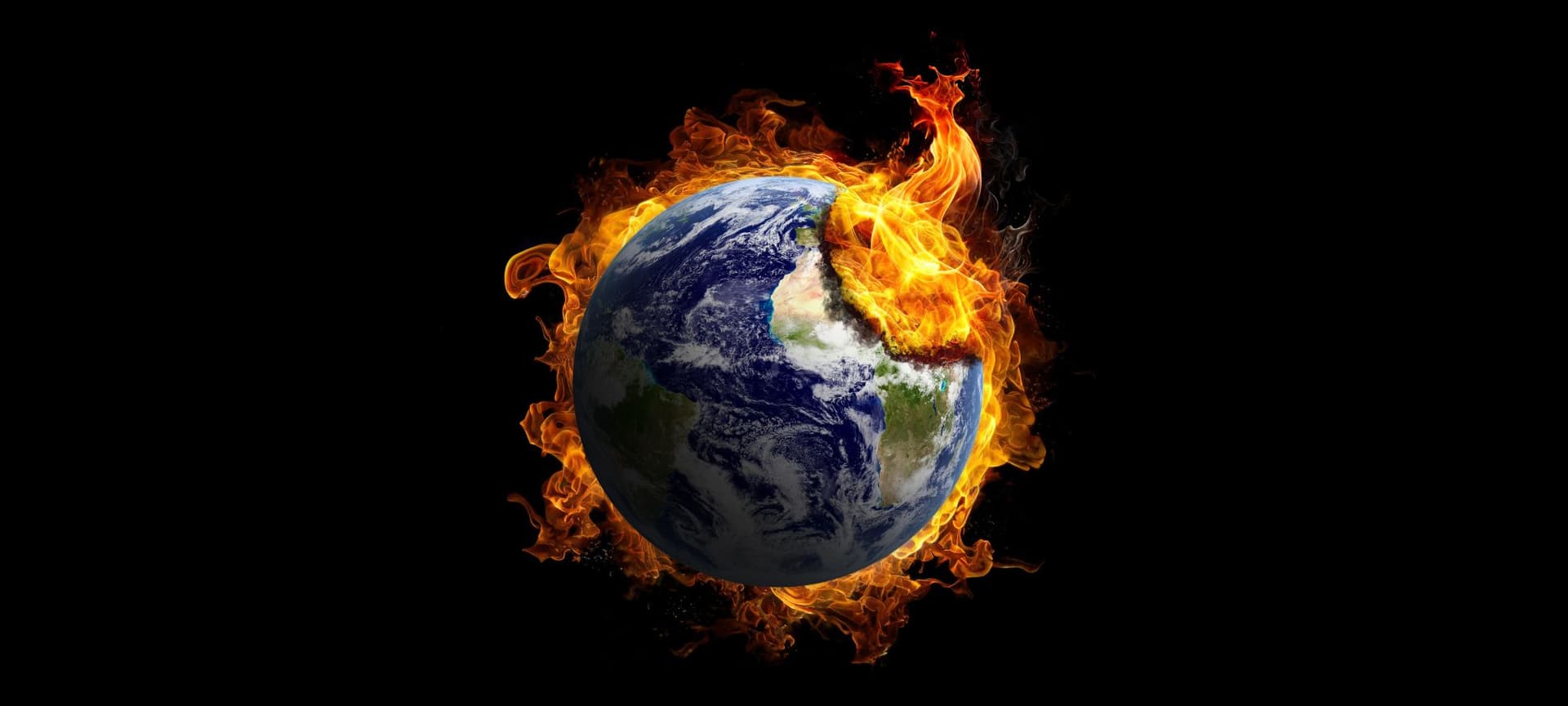
Image used under license from Shutterstock.com
…even if everything is going to burn, is it not still the property of the Almighty? Is he still the Creator? Does he still value it?…If he values it, I as his servant and a steward, must value it.
Ciara Reyes-Ton: Is there a biblical basis for environmental stewardship? Where can we look to find it? How should we live our lives in response to this?
Sandra Richter: From Genesis to Revelation, Eden to the New Jerusalem, environmental stewardship is represented in every covenant, law, and code. It is consistently a command of the Almighty, which means that it is a reflection of his character.
Beginning in Genesis Chapter 1, God reveals his ideal plan for his creation. On the seventh day, God is enthroned above his creation communicating that the perfect balance of God’s ideal design is dependent on the sovereignty of the creator. On the sixth day, a steward is enthroned, under the creator and over the creation. God said let us make humanity in our image, according to our likeness, and let them rule.
The outworking of God’s ideal design is dependent on the sovereignty of the creator and on the obedience of the creator’s stewards (that would be us). We are commissioned to facilitate this plan by living our lives as a reflection of God’s image.
The ideal plan was a world in which humanity (Adam) would succeed in constructing human civilization by directing and harnessing the amazing resources of this planet under the wise direction of their creator. Here, there would always be enough, progress would not necessitate pollution, expansion would not demand extinction, and the privilege of the strong, would not necessitate the deprivation of the weak.
In the Deuteronomy, we see God calling his people Israel to care for the land in ways that respect his ownership of it. The land is his, and he wants it returned to him as fertile as when he left it. He wants it to be preserved for future generations. Mosaic laws reflect this: Allow the land to rest and replenish itself, let the wild ox eat while it works, feed the marginalized from the corners of your fields, and keep the Sabbath, which in and of itself taught limited productivity and consumption, and restraint.
While we might not see the words “environmental stewardship” in the Bible, we do see environmental stewardship practiced in the Bible.
While we might not see the words “environmental stewardship” in the Bible, we do see environmental stewardship practiced in the Bible. We also see our calling to care for the widow and the orphan (the marginalized) and learn to our surprise that part of caring for the marginalized is caring for the land, water, and creatures that they depend on. This is how the creator behaves, so it should also be how I behave. In fact, “holiness” means that my character is in the process of being conformed to the image of God. The core objective of holiness and sanctification is that I would become more like him. So if environmental concern, sustainable use of the land, humane treatment of wild and domestic creatures, respect for the good gifts we’ve been given in our groundwater and our river systems and agricultural land is something God cares about, then that means we should care about it as well. And if we are going to be conformed to his image, his values need to become our values.
Ciara Reyes-Ton: For many Christians, the Gospel is all about building God’s Kingdom by winning souls. Where does environmental stewardship fit in this context? Can you speak to the misconception that winning souls is more important?
Sandra Richter: Evangelism and missions are important, but we cannot afford to frame them as separate from environmental stewardship because they are connected. Evangelism and revival are the lifeblood of the Church. I so admire revivalist groups who are willing to go door to door, even to the ends of the earth, to bring the Gospel to places it has not yet reached. But as we’ve learned so many times, going to the ends of the earth preaching Christ, with no concern for the very real, tangible physical needs of those we are trying to reach is not effective.
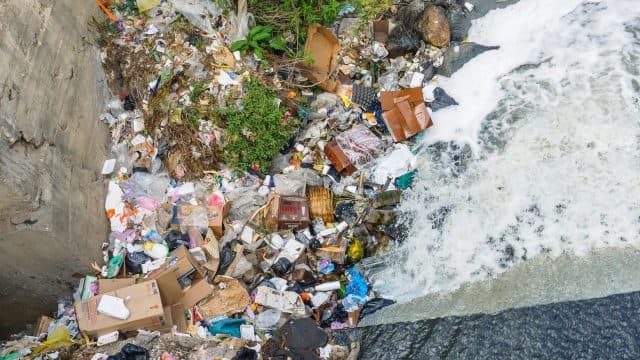
Take, for example, the Ganges river system (the Mississippi of Central Asai). It has been declared a dead system due to profound abuse via industrial waste, raw sewage, incomplete cremations, and enormous quantities of trash. In fact, in 2010 the leading cause of death for a child under the age of five in India was contact with their sacred river. In Madagascar, one out of ten Malagasy women die in childbirth because of malnutrition born of environmental degradation. The chaos in Haiti, due largely to deforestation (which leads to famine and forced urban migration), has allowed gangs and drug lords, literally, to take over the country. Mountain top removal coal mining in Appalachia is poisoning the people of that region with harmful chemicals and waste. We must not only preach to the widow and the orphan, we must care for them.
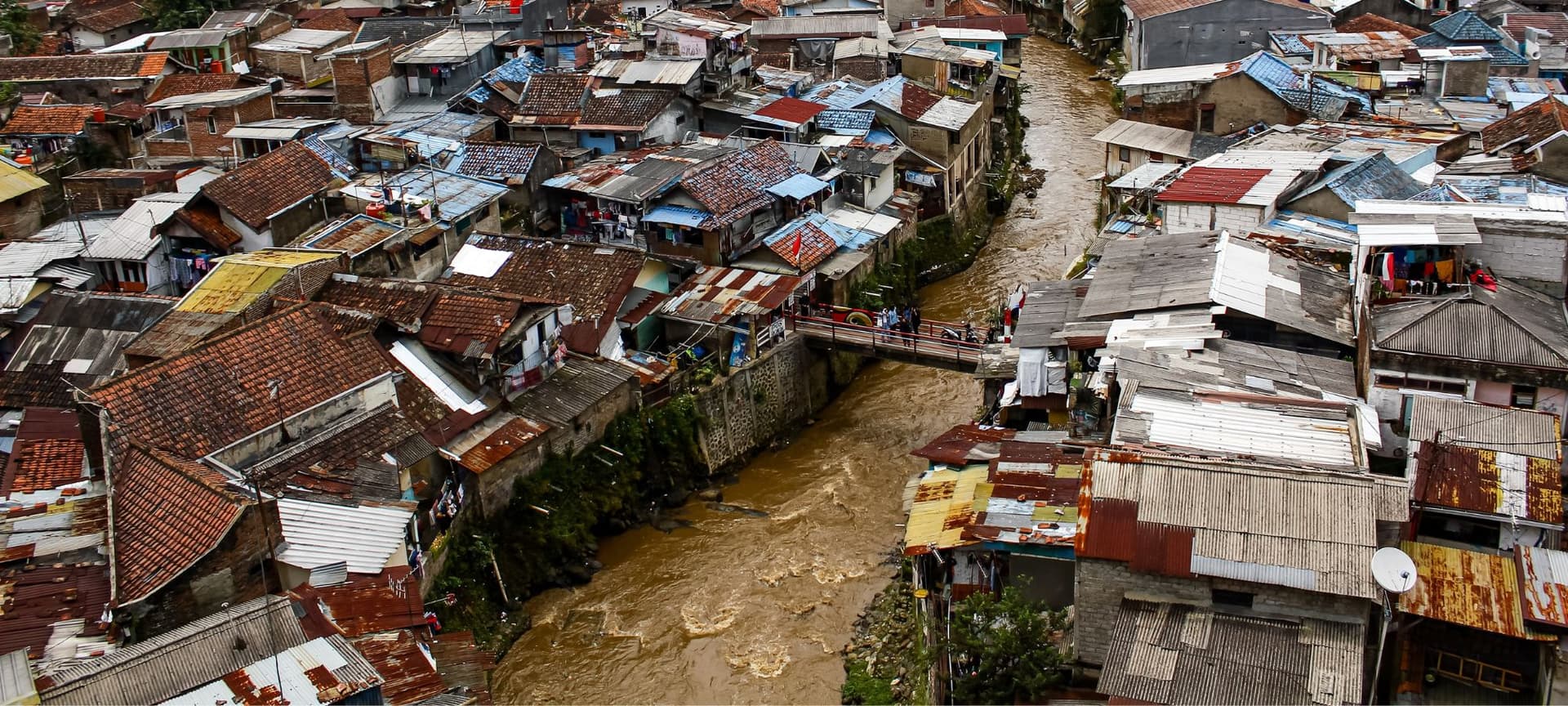
Image used under license from Shutterstock.com
….as we’ve learned so many times, going to the ends of the earth preaching Christ, with no concern for the very real, tangible physical needs of those we are trying to reach is not effective…We must not only preach to the widow and the orphan, we must care for them.
Ciara Reyes-Ton: Many in the Church may feel fatigued by what they consider to be more pressing issues and problems. They may even wonder why bother if we really aren’t going to win this thing. Can you address this misconception?
Sandra Richter: I get this question all the time. I also get, “Haven’t things gone too far?” To be honest, I don’t think we’re going to win this thing. But that doesn’t stop me from going down swinging. And it doesn’t stop me as someone ordained to be salt and light to live my life according to Kingdom principles in a fallen world. According to the laws of the Kingdom, I’m a citizen of, even if this amazing planet is going “to hell in a handbasket,” I must answer to Jesus for my behavior. And, I need to live my life in submission to his law and his character.
I think about environmental concerns like I think about every other issue of sanctification in my life. And “why bother” is never acceptable in that context. As I am being conformed to the image of the Son, as I am seeking to imitate Christ and allow my life to be transformed, that means my stewardship of farm and farmer, of environment and marginalized, of what I own and what I buy, and what I do, should also be growing in my life. This is a matter of holiness.
So am I going to stop caring for widows and orphans because I know Jesus is coming back next week, and they probably won’t need extra groceries because he’s going to be back in six days? No! Am I going to stop having devotions because I probably can coast until the Second Coming? I wouldn’t ever think about it that way. So that would be my primary response. This isn’t about just “hanging in there,” until the Second Coming. This is about the transformation of our character and therefore the transformation of the world as we become more like the Creator who gave us all these good gifts.
This is about the transformation of our character and therefore the transformation of the world as we become more like the Creator who gave us all these good gifts.
About the author
Related resources
If you enjoyed this article, we recommend you check out the following resources:

Article