What is the Season of Creation?
The Season of Creation gives us an opportunity to draw closer to God by praying for, delighting in, and taking action to protect creation.

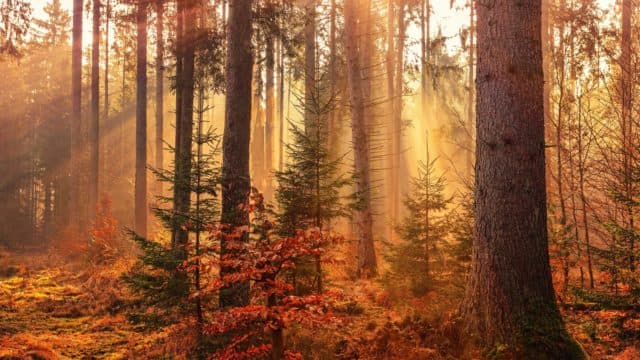
Image used under license from Shutterstock.com
When I first heard of the Season of Creation, I wondered why it was necessary. Isn’t every week of the year a time to honor God in creation? Shouldn’t we pay attention to—and work to preserve and protect—the beauty of nature throughout the year?
But as time moved on, I started to see the unique gift of this special Season.
As an ecumenical celebration focused on the health of the Earth, it can bring disciples together. Across our many organizations, congregations, and communities, we can use this time to focus on the well-being of the place where we live.
I now see this Season as an opportunity to praise God and make change in community. Each year, I give thanks for that chance—and I’m excited to share more about it with you.
What is the Season of Creation?
Image used under license from Shutterstock.com
The Season of Creation is an ecumenical observance during which we draw closer to God by praying and acting for creation.
Occurring each year between September 1 and October 4, the Season is a time for us to both appreciate the majesty of creation and consider our responsibility to steward it.
History of the Season of Creation
The Orthodox Church started the movement toward a Season of Creation in 1989. That year, Ecumenical Patriarch Dimitrios, the spiritual leader of 300 million Eastern Orthodox Christians, issued a historic proclamation:
“The Ecumenical Throne of Orthodoxy… watches with great anxiety the merciless trampling down and destruction of the natural environment which is caused by human beings, with extremely dangerous consequences for the very survival of the natural world created by God… In view of this situation the Church of Christ cannot remain unmoved…
[We] declare the first day of September of each year to be the day of the protection of the environment… We invite through this our Patriarchal Message the entire Christian world, to offer… every year on this day prayers and supplications to the Maker of all, both as thanksgiving for the great gift of creation and as petitions for its protection and salvation.
At the same time we paternally urge on the one hand all the faithful in the world to admonish themselves and their children to respect and protect the natural environment, and on the other hand all those who are entrusted with the responsibility of governing the nations to act without delay taking all necessary measures for the protection and preservation of the natural creation.“
With these words, Patriarch Dimitrios inaugurated a worldwide Day of Prayer for Creation on September 1.
Following the publication of Laudato Si in 2015, Pope Francis made his own call for a September 1 Day of Prayer for Creation.
We invite…the entire Christian world to offer… prayers and supplications to the Maker of all, both as thanksgiving for the great gift of creation and as petitions for its protection and salvation.
In the years that followed, the single day blossomed into a full Season of Creation. The World Council of Churches set it as an annual season of observance from September 1 through the feast of St. Francis of Assisi on October 4. Pope Francis made the Season of Creation an official observance of the Roman Catholic Church in 2019.
The Season soon spread throughout the global Anglican Communion as a way to practice the Five Marks of Mission, and many evangelical churches have also taken up the observance. Today, the Season of Creation is ecumenical not only in theory, but in practice.
How to Observe the Season of Creation
If you’re new to the Season of Creation, the best place to start engaging with it may be on the Season’s core website.
The website provides updated liturgical and educational resources, including a new theme for each year’s observance. This year’s theme is “Peace with Creation,” a reflection on Isaiah 32:14-18 and its description of a world transformed by the renewal of creation.
While reviewing general information on a computer screen is a good place to start, the next step is an even more important one: applying these resources to your unique local environment and situation.
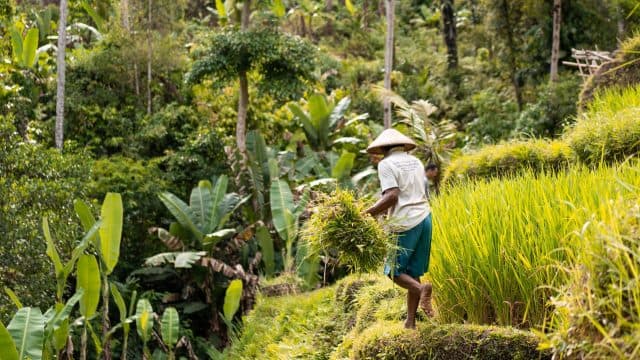
Image used under license from Shutterstock.com
Creation includes you—your own physical being as a beloved child of God. Creation includes the place where you live—your own local community, its waters, its soils and its ecosystem. And creation includes your human communities as well.
Consider the words of Patriarch Dimitrios: “Man is destined not to exercise power over creation, as if he were the owner of it, but to act as its steward, cultivating it in love and referring it in thankfulness, with respect and reverence, to its Creator.”
This raises a couple of questions: How might you act as a steward of creation in this Season? And how might God’s creation itself become your teacher for this observance?
To explore these queries, you may want to learn more about how the region where you live is being tended. Where are human beings exercising power over the Earth as if we were its owners? Where is creation being stewarded with love and returned to God in thankfulness, respect and reverence?
With care, the Season of Creation can help you grow as a disciple of our Lord Jesus Christ, in whom all things were made, through whom all things were reconciled and in whom all things cohere (Colossians 1).
Three Ways to Get Started
So how might you go about observing the Season of Creation? There are countless ways to celebrate, but here are three simple practices to get you started:
Begin with a nature walk and outdoor communion. Step outside with the intention of pursuing God in creation. Set aside time to hike through the woods, walk along a riverbank, or even sit in silence in your own backyard. When you do, make the experience a deliberate one by building in time for prayer and attentiveness.
Creation Care
Explore why and how Christians care for creation. Find faith-rooted hope, science, and steps for protecting God's creation and addressing climate change.
Hold a prayer service near a place where creation has been or is being harmed. Caring for God’s creation means recognizing what is broken—and what role humans have played in this brokenness. As you stand in a place where creation has been harmed, pray for guidance in how you can help to renew it.
Talk about creation care in your community. Share your love of creation with those around you! Talk about your experiences with the natural world, and how those encounters with creation have drawn you closer to God. You can make a real difference by sharing with others that as a Christian, you understand that the Earth belongs to God and is not meant for destruction by humans.
However you choose to observe the Season of Creation, give thanks that you belong to and in God’s creation. The same Christ by whom all things were made also prayed that we all might be one. The Season of Creation is a way to practice our faith, and it is growing every year.
About the author

Nurya Love Parish
Related resources
If you enjoyed this article, we recommend you check out the following resources:

Common Question
Article