Changing Minds on Climate Change
Paul Douglas is a meteorologist, evangelical Christian, and political conservative who changed his mind about climate change. Now he’s helping others too.
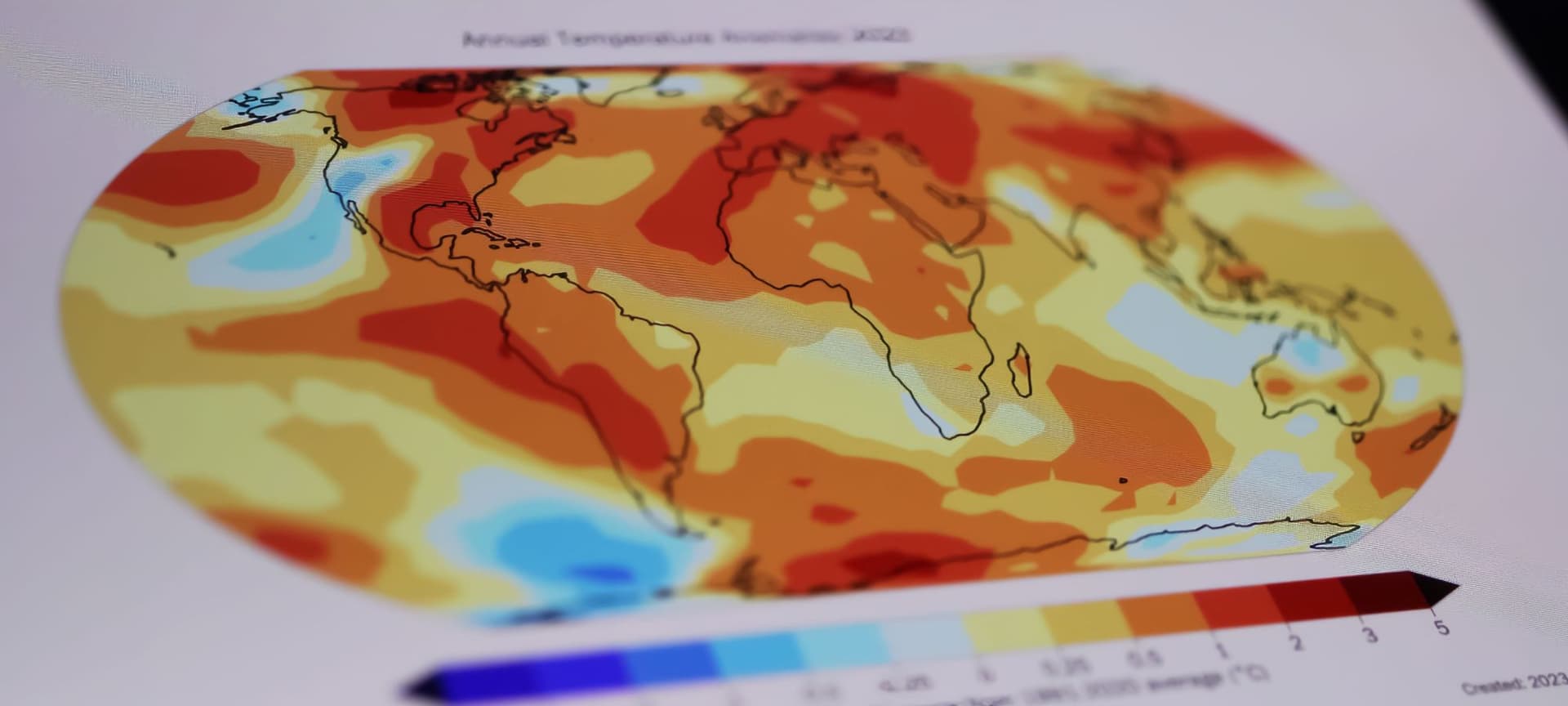
Image used under license from Shutterstock.com
As a meteorologist working for CBS News, Paul Douglas was perfectly content forecasting the weather, but when he started noticing changes to normal weather patterns, the reality of climate change became unavoidable, and he knew he had to do more.
It wasn’t an overnight epiphany. At first, he thought it was his imagination. It took several years of looking at the data and seeing shifts in weather patterns himself before he came to terms with what was happening.
It is not unusual for the weather itself to change. Paul says that “predicting the weather is always a challenge because every day is different. The weather patterns may be similar, but never identical. It’s been said that the weather rhymes but never repeats, and there’s some truth to that.”
What got his attention was when the natural rhythms of the atmosphere, “instead of sounding like a symphony orchestra, started playing out of tune. The strings were off, the cymbal crashes were coming in at the wrong time, something was wrong.” Climate change wasn’t on his radar. As an evangelical Christian and political conservative, he was prepared to be skeptical and cautious. But as a trained meteorologist, he couldn’t in good conscience deny what the data were saying.
That was back in the 80s and 90s, a time we today might look back on with nostalgia because things were at least better than today. Environmental problems have since been exacerbated, climate denial has increased, and our world has become even more polarized. While Paul could’ve easily lost hope over the years, his faith in God and heart for the next generation have kept him going. These days he can be found engaging some of the toughest-to-reach audiences on climate change: evangelical Christians and political conservatives.
“[the weather] instead of sounding like a symphony orchestra started playing out of tune. The strings were off, the cymbal crashes were coming in at the wrong time, something was wrong.”
Reaching Christians and Conservatives
While Paul changed his mind about climate change after seeing the data for himself, in his experience, that isn’t necessarily the most effective way to reach evangelicals and conservatives. He believes that drawing on Scriptural responsibility to care for creation and love our neighbors is one of the best ways to reach evangelicals. Paul says, “We live in God’s creation and—as stewards—we have a holy obligation to treat it as the remarkable gift it is.”
One of the most common responses he hears from evangelicals on climate change is that God is in control, so why bother? He doesn’t discount these thoughts because he knows where they are coming from, but he isn’t afraid to address them head on either. “God is in control of everything. I agree with that. God made the car, but right now we’re the ones with our hands on the steering wheel. He gave us free will, which means the ability to make smart decisions, and unfortunately, foolish short-sighted ones as well, especially around money, fossil fuels, burning oil, coal, and natural gas, which have gotten us in this place to begin with.”
When it comes to conservatives, many of whom are evangelical Christians, it can be helpful to distinguish scientific literacy from political party affiliation. He likes to frame it this way: “Being open to data, facts, and science doesn’t make you liberal. It makes you literate. Scientifically literate. It means you favor data, facts, and evidence over conspiracy theories, manufactured misinformation, and cherry-picked industry spin.” He also thinks that it can be helpful to tap into conservative values like rights and responsibility. “We are changing the chemical composition of the atmosphere, the only atmosphere we have, and we are accountable. I think that’s very consistent with conservative evangelical thought that we are responsible, we are not victims, we must take agency and responsibility for our actions.”

Image used under license from Shutterstock.com
Being open to data, facts, and science doesn’t make you liberal. It makes you literate. Scientifically literate. It means you favor data, facts, and evidence over conspiracy theories, manufactured misinformation, and cherry-picked industry spin.
Reaching the Next Generation
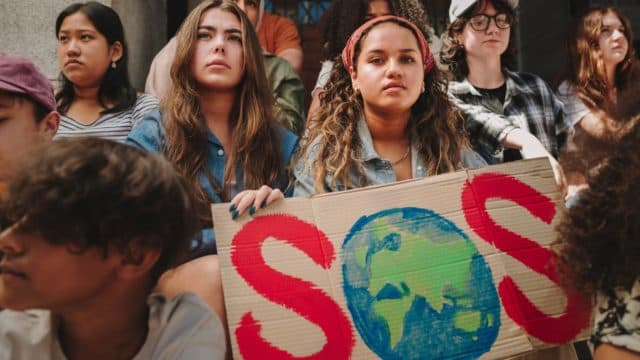
Reaching the next generation on the reality of climate change is also very important to Paul. Ultimately, it was the birth of his first grandson Jordan that got him thinking more about his legacy. He found himself wanting to do as much as possible so that his grandson and other kids like him could have a better future. “We are accountable,” says Paul, “Our grandkids, eventually are going to say, what did you know? When? And what did you do? Were you on the right side of science? Were you on the right side of history? Did you look out for us? Because by denying climate change and shrugging it off, saying there’s nothing we can do or it’s too expensive, we’re making it harder for our kids and for their kids.”
In 2022 he wrote a children’s book called, “A Kid’s Guide to Saving the Planet: It’s Not Hopeless and We’re Not Helpless.” In the book he talks about the evidence for climate change in simple and engaging ways. He also highlights inspiring stories of young people who are helping their communities and starting conversations on climate change in creative ways, from planting trees, and starting youth-led climate movements, to writing comic books about climate change.
When it comes to communicating with younger audiences on climate change, Paul says that it is important not to cherry-pick information but to be honest. “I’m always amazed that young people are much sharper than we give them credit for. Most kids are pretty plugged in, and they know what’s happening already. We need to be honest with them. We have an obligation to give it to them straight and not try to spin it a certain way. We also must balance the stark reality of climate change with optimism, though. We can get to where we need to go, but it’s going to require change.” He also thinks it’s important to emphasize solutions and careers to young people.

Image used under license from Shutterstock.com
Our grandkids, eventually are going to say, what did you know? When? And what did you do? Were you on the right side of science? Were you on the right side of history? Did you look out for us? Because by denying climate change and shrugging it off, saying there’s nothing we can do or it’s too expensive, we’re making it harder for our kids and for their kids.
Faith in Something More
While there is a lot of work to be done to combat climate change, Paul has a lot of hope in the next generation. “I think that young people don’t have a lot of the baggage that adults have. They are more open to change, and they are demanding it. Increasingly, they’re asking companies, what do you stand for? How are you making things better? Companies better have an answer if they want to attract the brightest people on the planet to their company. So it’s happening, we just need to turn up the dial and go faster.” Paul looks forward to a future where we stop debating the reality of climate change and start debating solutions. Until then, he’s doing all he can to help people move past misinformation and distrust of science, especially Christians.
For Paul, faith and science aren’t mutually exclusive, and shouldn’t be pitted against each other. He sees science as a gift from God that doesn’t threaten God’s sovereignty. “I think science is a toolbox that God gave us to improve our lives. I do not worship the toolbox. I worship the Creator who gave us this toolbox with all these amazing tools with which we can learn more about our world, our universe, and try to improve ourselves over time. And so I think there’s a place for both—I don’t think they’re mutually exclusive. While I believe science has many of the answers, it doesn’t have all the answers. I have a respect for science, and a faith in something more.”
While I believe science has many of the answers, it doesn’t have all the answers. I have a respect for science, and a faith in something more.”
About the authors

Paul Douglas

Ciara Reyes-Ton
Related resources
If you enjoyed this article, we recommend you check out the following resources: