What Parents Should Know About the Childhood Vaccine Schedule
A look at how childhood vaccine schedules are developed, the potential impact of recent changes in the U.S., and how vaccination fits within Christian faith.
Photo used under license from Shutterstock.com
Think back to the summer of 2020, about six months into the COVID-19 pandemic. Scientists around the world were working to develop and test a new vaccine for SARS-CoV2, and many different formulations of vaccines were in progress.
Around that time, BioLogos published my article explaining how vaccines work. Though I wrote it a year before COVID-19 vaccines became publicly available, I’m hopeful that it helped some readers make an informed decision about vaccination.
Six years later, I’m writing in another moment of uncertainty. As of January 2026, the Department of Health and Human Services and the Center for Disease Control updated the childhood vaccine schedule, reducing the number of diseases targeted for immunization from 18 to 11.
These changes have no doubt sparked a torrent of questions among parents. How was this change decided? How was the previous vaccine schedule determined? And how can I evaluate what I’m hearing?
As a biologist who studies immune function and regularly teaches a college course on immunology, I’m always happy to answer questions people have about vaccines. In this article, I will aim to do so by focusing on some of the key questions that parents have about the vaccine schedule recommended in the United States.
Why Does the Childhood Vaccine Schedule Include So Many Vaccines?
For some time prior to this year, the CDC recommended a routine vaccination schedule that included immunizations for approximately 18 diseases for healthy children and adolescents in the US. To some, that may sound like a lot. How were these vaccines chosen?
How are Vaccines Typically Selected for the Schedule?
The goal of a vaccine program is prevention of those severe consequences of disease in a large population. Each of the diseases addressed by the vaccine schedule share two characteristics:
- They are likely to be encountered by U.S. children.
- They can cause severe disease in some fraction of those infected.
That first point is an important one. Limited resources mean that for diseases that are rare and do not spread easily, only those at risk of exposure may be recommended for the vaccine.
A good example of this is rabies. While rabies is a fatal disease, it’s rarely encountered and not easily spread from person to person. It is therefore not included in the vaccine schedule.
However, this doesn’t mean that all diseases we consider “rare” today are excluded. As we’ll discuss in the next section, it remains important to vaccinate for diseases that are currently rare but could spread easily—like measles.
Why Vaccinate for Diseases that are Now Rare?
Many parents are personally unfamiliar with at least some of the targeted diseases, which is due largely to their successful prevention by vaccines.
As recently as the 1950s, the threat of polio—which routinely infected tens of thousands of people in the United States each year—kept parents awake at night.
Today, even a single case of polio makes national news. It is now extremely rare and on track to be eliminated worldwide, due in large part to the work of Jonas Salk and Albert Sabin, who were hailed as heroes for developing the polio vaccine.

A crowd in Georgia awaits polio vaccination, likely 1961. CDC/Charles N. Farmer, Public domain, via Wikimedia Commons
Measles is a similar story. The fact that we may never have met someone who has had measles shouldn’t be a reason not to get vaccinated—in fact, it should be the reason to get vaccinated.
Measles is one of the most easily spreadable viruses, far more contagious than COVID-19 or the flu. About 90% of people close to someone with measles will be infected, and entering a room where someone with measles has been can result in infection for up to two hours after they’ve left.
It is estimated that 95% of the population needs to be vaccinated to obtain sufficient levels such that the chain of transmission will be blocked.
Unfortunately there are many groups that are well below this level. 2025 saw a major uptick in measles in the United States, particularly among unvaccinated people.
Why Vaccinate for Diseases that Don’t Seem Very Dangerous?
In addition to rare but serious infections like polio and measles, the childhood vaccine schedule also includes seemingly “mild-mannered” illnesses.
One of these is respiratory syncytial virus (RSV). RSV is quite common, and usually does not cause severe illness in healthy people. So why is it part of the vaccine schedule?
The problem is that in infants and the elderly, RSV can result in hospitalization and require intubation.
Rotavirus offers another example. Some think that because it can be mild, it’s worth enduring and allowing the body to recover naturally. However, before the vaccine was introduced in 2006, rotavirus caused around 60,000 hospitalizations and between 20 and 60 deaths in children under age five in the United States each year.
Does Receiving Multiple Vaccines Stress the Immune System?
It is a common belief that vaccines place stress on our immune system.
However, there is no evidence of there being a limit on responsiveness to multiple vaccines given simultaneously or in quick succession.

Mother Knows Best: Let’s Talk Common Vaccine Concerns
An immunologist and parent helps address some of the most common objections and questions, supplying a scientific perspective to help ease minds and encourage confidence in vaccines.
In everyday life, children are exposed to untold numbers of foreign antigens in the form of fungi, bacteria, and viruses. Despite this, the immune system routinely mounts effective responses against them.
More vaccines is a good thing: it means you’re protected from more diseases.
What Changed in the U.S. Childhood Vaccine Schedule, and Why Does It Matter?
Why did the United States Change its Vaccine Schedule?
In a January 2026 interview with NPR, physician Andrew Racine, head of the American Academy of Pediatrics (AAP), described how the AAP has for many years been in “lock step” with the CDC. He noted how AAP members had served on the subcommittee that decides which vaccines to include and on what schedule.
Racine went on to express his concern over recent changes to the CDC, where experts have been removed from the Advisory Committee on Immunization Practices (ACIP). Many of these experts have been replaced with individuals who hold a skeptical view of vaccines.
Following these changes, the CDC reduced the number of diseases targeted for immunization from 18 to 11.
Speaking for the AAP, Racine emphasized that “these diseases have not changed, the epidemiology hasn’t changed, the risks to children haven’t changed, therefore our recommendations haven’t changed.”
What Could be the Impact of This Change?
The CDC now recommends six of the original vaccinations be given based on consultation with a physician, not routinely as part of a schedule (hepatitis A and hepatitis B, rotavirus, influenza (flu), COVID-19, and meningococcal disease).
In light of these changes, consider a 2024 study on the impact of meningococcal vaccination. The study found that between 2005 and 2021, the vaccine prevented about 500 cases of invasive disease and 54 deaths in the U.S.
Considering the size of the U.S. and the fragmented nature of our health care system, it follows that reducing routine vaccination is likely to lead to an increase in preventable deaths.
Why Do Vaccine Schedules Differ Between Countries, like in Denmark?
There is no “one size fits all” strategy for deciding a nation’s vaccine schedule. Many factors go into this decision, including local context.
For instance, both Brazil and South Korea recommend 18 routine vaccines. Brazil includes a vaccine for yellow fever, which is most common in tropical areas. South Korea includes a vaccine for Japanese encephalitis virus, endemic in parts of East and Southeast Asia.
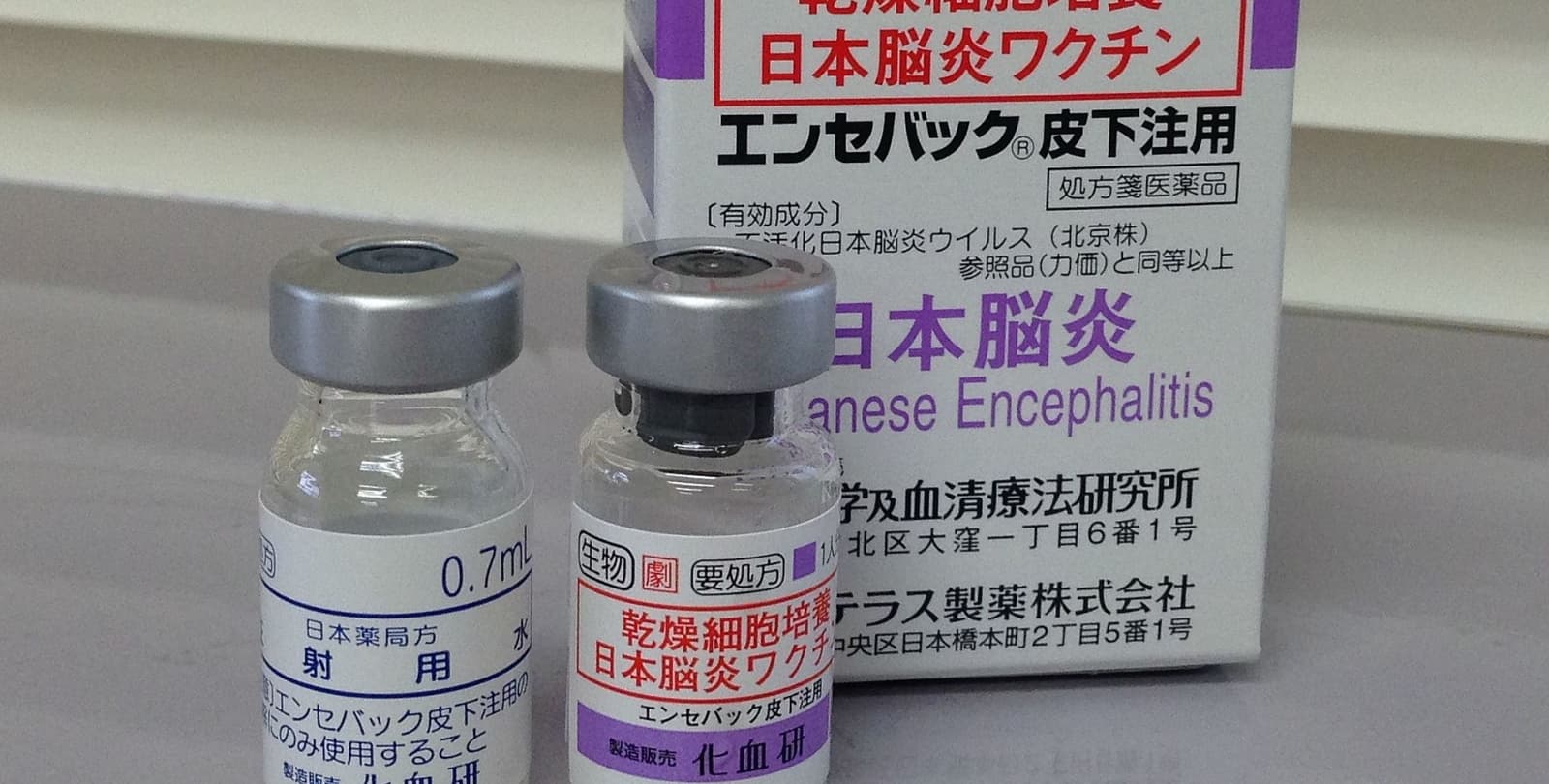
Vaccine for Japanese encephalitis. melvil, CC BY-SA 4.0 <https://creativecommons.org/licenses/by-sa/4.0>, via Wikimedia Commons
Denmark, by contrast, has 11 vaccinations on its list. Its decisions for removing some vaccines primarily reflect financial considerations, along with the fact that it has a high-quality healthcare system, strong surveillance infrastructure, and a low population density.
For meningococcal disease, Denmark relies on a surveillance strategy of quick detection and rapid vaccination of close contacts. This system met with intermediate success when it was put to the test in 2024, as only 50% of the contacts who were warned of their exposure actually got the vaccine. Out of 26 cases of severe disease, there were two deaths.
How Can I Know the Information I Find is Trustworthy and Reliable?
In seeking basic information about vaccines and the vaccine schedule, how can you know whether a source is trustworthy or reliable?
First, reliable sources use numbers and statistics that are backed up by peer-reviewed research. Any reputable source will cite those studies from the primary literature published in journals with a reputation for quality. These include Lancet Infectious Disease, New England Journal of Medicine, JAMA, and others.
It’s common to hear individuals talk about vaccines in the media. When you do, evaluate their qualifications. Look for sources who have an advanced degree in the relevant field of infectious disease or have been involved in vaccine design and development. These people are trained and qualified to evaluate the topic, and they are more likely to give accurate information.
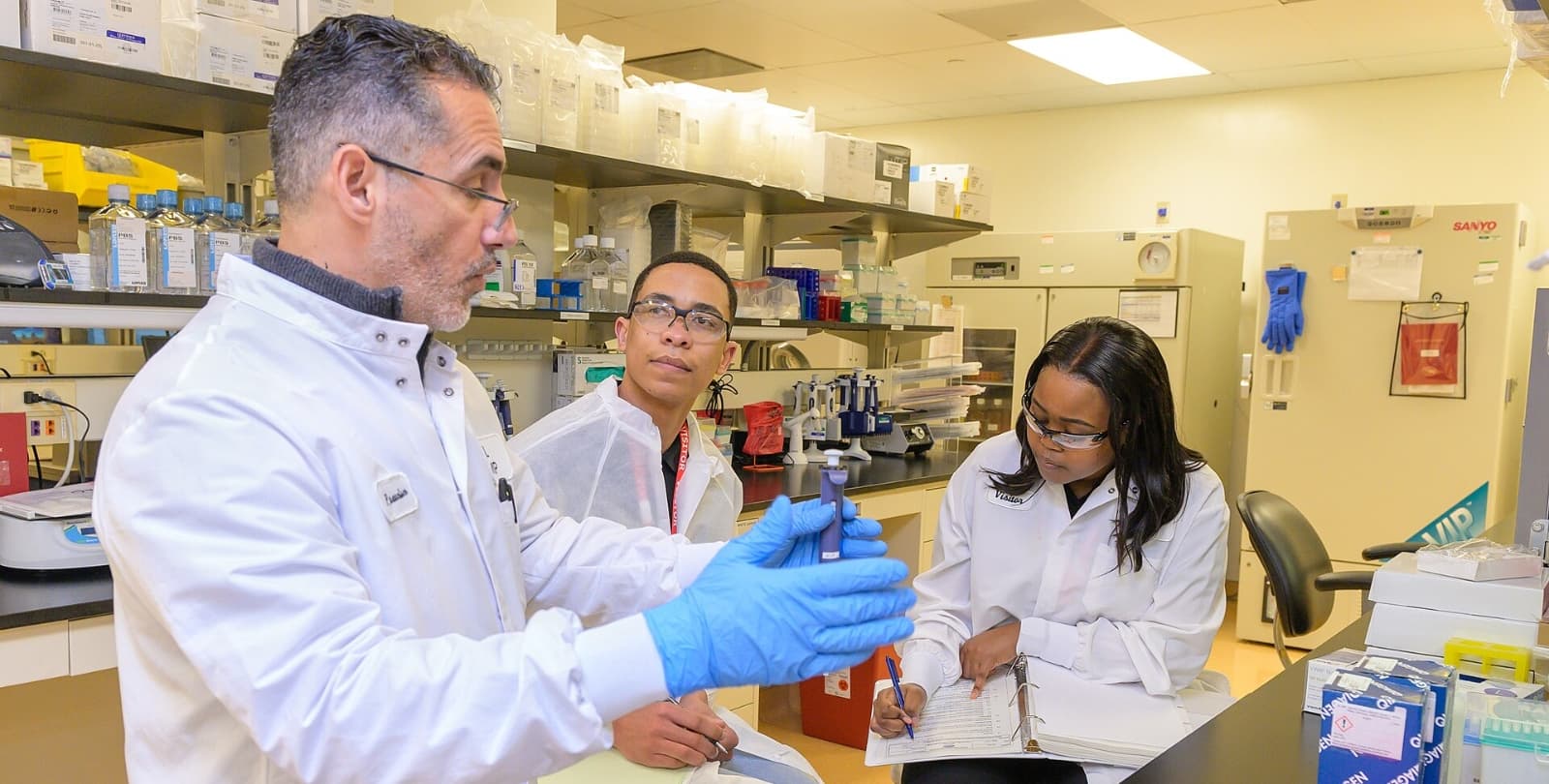
A group of scientists train on mRNA vaccine production. NIAID, CC BY 2.0 <https://creativecommons.org/licenses/by/2.0>, via Wikimedia Commons
Additionally, evaluate the type of media you’re consuming. For instance, books on vaccination are generally considered low-quality. This is because the barrier to entry for publishing a book is fairly low, and they are often designed to make money for the author and organization behind it.
Of course, good books on the topic do exist. They can be differentiated in part by the use of quality, reputable citations.
How Does Vaccination Fit into a Christian Perspective?
When asked about the greatest commandment, Jesus replied that it can be summed up as loving God and loving your neighbor (Matthew 22:36-40).
When you get vaccinated, you’re protecting yourself from disease. But you’re doing more than that: you’re also potentially saving a neighbor from unnecessary suffering. That’s a tangible way to show love to them.
While it’s impossible to know if your individual action had this result, at the level of a population we can be sure it’s happening. That means that from a well-conceived and well-implemented vaccine program emerges massive amounts of love for our neighbors.
Also read:
- Should Christians Get Vaccinated?
- From Smallpox to Today: The Science of Vaccination
- Are mRNA Vaccines Safe and Effective? Hear it from the Source
This impact is almost never plainly visible. After all, it’s hard to observe something that has been avoided or not happened. A family member or friend remaining healthy because we are vaccinated is impossible to notice, because we won’t see the alternative.
However, the fact remains that when we take care of our own health with vaccination, we can be confident that we have contributed to the well-being of another person created in the image of God.
And that is a deeply satisfying thought.
About the author

Craig M. Story
Related resources
If you enjoyed this article, we recommend you check out the following resources:
Common Question

Podcast Episode