Creation Groans | Living with Grief, Living with Hope
We explore emotions that result from an awareness of the climate crisis and consider how naming the grief can be a path toward hope.
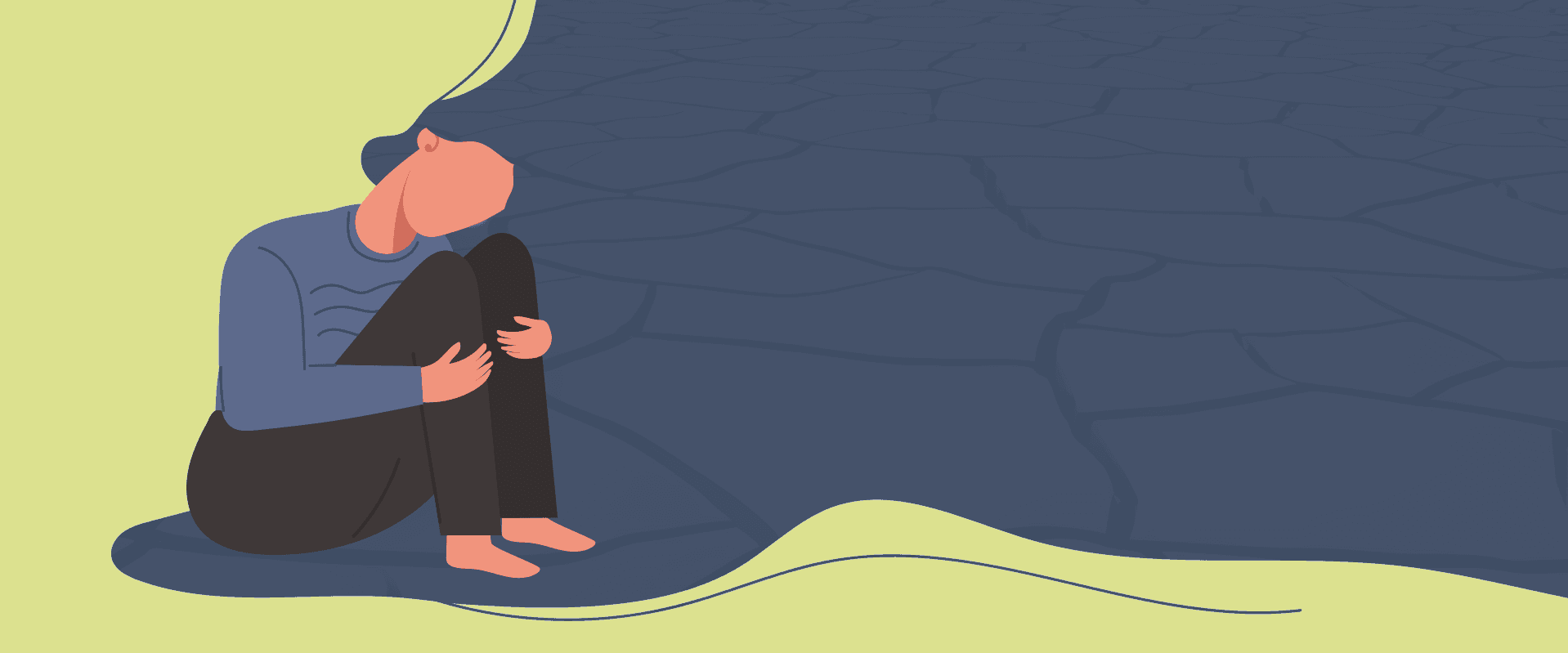
Image used under license from Shutterstock.com
We explore emotions that result from an awareness of the climate crisis and consider how naming the grief can be a path toward hope.
Description
The climate crisis often leads people to feelings of grief, despair, and fear. With the of help faith leaders, climate activists, artists and teachers from around the world we explore some of the emotions that result from an awareness of the climate crisis. And consider how naming and accepting the grief and sorrow that many people are feeling can also be a path toward hope.
Featured guests: Heather McTeer Toney, Marinel Ubaldo, Madeleine Jubilee Saito, Dr. Malinda Berry, Hannah Malcolm, Robynn Bliss, and Lowell Bliss. And thanks to Nangula Kathindi and Christopher Douglas Huriwai for their recorded testimonials, used in the episode. Find links to guest resources in bios below.
Theme song and credits music by Breakmaster Cylinder. Other music in this episode by Ballian De Moulle, Robert Meunier, Kyle Booth, Sirus Music, Justin Breame, & MS Elyas, courtesy of Shutterstock, Inc.
- Originally aired on June 06, 2024
- WithColin HoogerwerfandNate Rauh-Bieri
Transcript
Hoogerwerf:
Welcome to Language of God; I’m Colin Hoogerwerf. Today’s episode will revisit a topic we’ve explored before on this show. Two summers ago, we put out a series of episodes called Creation Groans, where we delved into the “world of wounds” and heard from guests about the nature of hope amidst ecological loss.
Here to share more is my friend Nate Rauh-Bieri, who’s been writing and working in the world of climate and environmental advocacy for a long time and helped put this episode together. Hi, Nate. Welcome.
Rauh-Bieri:
Hey, Colin. Thanks; it’s good to be here.
Hoogerwerf:
Well, in the two years since we put out those last Creation Groans episodes, the problem, unfortunately, hasn’t gone away and we wanted to come back with some new voices and to focus particularly on some of the different emotional responses to the climate crisis and also offer some guidance for how to live through the anxiety that so many young people are facing when they consider the problem we’re facing.
Rauh-Bieri:
I’ve seen how, yes, there are so many things we can do to respond to these realities, to be part of healing and hope. But I’ve also seen, including from my own experience, our human psychology can get in the way of us doing what would be helpful, hopeful, and healing. We can bypass difficult emotions, or launch into action without attending to these emotions and end up jaded or burnt out.
Hoogerwerf:
Yeah, it’s tempting to just approach the climate crisis only from the side of science and to try and ignore the way we feel about what the science tells us.
Rauh-Bieri:
Yes. And while listeners should know that these guests offer words of wisdom and, I believe, comfort, and yes we hope the episode is moving, but these topics don’t necessarily make for breezy listening, so it’s okay for people to pause part way through or relisten a second time. I’d personally recommend listening on a walk, if that’s open to you.
Hoogerwerf:
Fair enough. Anything else we should know before we get started?
Rauh-Bieri:
No. I’m excited to hear from these guests.
Hoogerwerf:
Alright, then; here we go.
[transition music]
Hoogerwerf:
We live in times of significant damage being done to the living world. The knowledge of this is at our fingertips, if we want; and yet, as our guests illustrate, there is no one way to come to terms with the fact that we live, together, in a “world of wounds.” Let’s start by letting our guests introduce themselves and hear how they entered the world of wounds.
McTeer Toney:
My name is Heather McTeer Toney. I am a climate justice advocate, a Mississippi Delta native, mom, wife, and undercover superhero, just like I think most people are today. I have been in climate and environmental work since, I’d say, the early 2000s unknowingly, because I entered this space, not in the same pathways that people would generally think about. I don’t have an -ist to the end of my name. I’m not a scientist. I’m not a geologist. I’m a mom-ist.
But I came into this space of work, because seeing in my local community the needs of people, whether or not it was in the job market and economy of the Mississippi Delta, or infrastructure, development and stabilization, or just being able to live and breathe, as a human being with the same rights as the person next to you. There were so many connections to the climate and environmental justice that we were not encountering. So you know, it sort of catapulted me into this space, of needing to be a part of this huge movement that was taking place all around me, but also connecting it to the people and the place that I grew up in, and that I love. And I really needed to find a way to make sense of it all, and that’s how I came to be in this space. It’s who I am.
R. Bliss:
My name is Robynn Bliss, and I am a spiritual director. I am joyfully married to Lowell, a climate activist.
L. Bliss:
And my name is Lowell Bliss. I’m married to Robynn. We live here in Port Colborne, Ontario.
Hoogerwerf:
Lowell directs the Eden Vigil Institute for Environmental Leadership at William Carey International University. He also co-leads the Christian Climate Observers Program, which brings emerging leaders to UN climate summits. Robynn and Lowell have teamed up to teach webinars on the difficult emotions of climate change. Their ecological grief journeys began with a climate documentary they happened upon just after returning from missionary work in India and Pakistan.
L. Bliss:
At the end of watching it, one of the impressions, at least that I had, was the Indian subcontinent is all over this movie. Whether it’s melting glaciers in Nepal, whether it’s flooding like we experienced in Mumbai, whether it’s record hot temperatures in Multan, Pakistan, all of that was in this movie. And so the second thought was, “If even half of this is true, what kind of missionaries would we be, what kind of love could we say we had for the people that God had called us to, if we didn’t investigate further?”
R. Bliss:
Yeah, that was definitely the beginning where the first domino kind of fell. I think for both of us, it was incredibly powerful moments that night, sitting in my parents living room because it just seems so obvious to us after watching that movie, even with the insight like okay, well, maybe if it’s not even all true. Still, there’s enough in here that is disturbing and compelling and mobilizing, motivating.
And we were sharing what we had recently learned and heard, and hearing people’s responses to it, and the glasses that they put on to allow themselves to not see the thing that was apparently so very, very obvious and real to us, really kind of set us both on this journey of “What’s happening? Why is this not making sense for all the people? If Christ-followers are to love one another and to love their neighbor, what’s missing for people that they can’t understand that this is really an invitation to love?”
Saito:
I am Madeleine Jubilee Saito. I am an artist, and I make experimental comics about the climate crisis and the sacred, and I live on Duwamish land in South Seattle. I knew about the climate crisis; I’d heard about it growing up. When I went to college, I had a series of just kind of intersecting epiphanies. I became a Christian in a much more serious way than I had been as a child. I also began to have a little bit of a political awakening and understanding those things, and then also learned about the climate crisis more deeply. And so all three of those parts of myself—the spiritual, the budding environmental activist, and the budding political thinker—all feel very intertwined and don’t feel contradictory, I think because they all grew up at the same time for me.
Berry:
I’m Malinda Berry, and I teach at Anabaptist Mennonite Biblical Seminary, which is a small denominational seminary located in north-central Indiana.
Hoogerwerf:
Dr. Berry teaches theology and ethics; she also leads faith formation for pastors in training. Her reaction is a bit different in that she has been considering the ethic of creation care since she was young.
Berry:
An awareness of the seasons, of our interdependence as Earth creatures on the rhythms of creation was a part of my awareness from an early age. And for me, the crisis that we face now, and how that lands for me emotionally, is a bit more of a relief that there’s more shared reality, that we are in quite a bit of a pickle.
Hoogerwerf:
But the force of eco-anxiety shows up for her in the sense of being stuck in systems that don’t make creation care easy:
Berry:
The main place that that shows up is when I’m driving to work. And I live in a place where it’s very hard to be car-less or car-free or depend on our public transit system, which is very, very minimal and fairly unreliable. So those moments of gloom that I experience happen when I see the vehicles on the road. I’m just like, “These are gas-guzzling, fossil-fuel-burning vehicles all around me, and I’m in one too.”
Rauh-Bieri:
I think many of us can relate to this kind of malaise. But for Marinel Ubaldo, the experience was more direct, like it is for far too many people around the world: an actual climate disaster.
Ubaldo:
Yeah, so I’m Martin Ubaldo. I’m a climate justice advocate from the Philippines. I am currently based in the US and doing my master’s in environmental management focusing on Environmental Economics and Policy. I’m from a small coastal community in the Philippines. As we are in the ring of fire and near the Pacific Ocean, we experience an average of 21 typhoons per year. So very early on, I knew about disasters, I knew about typhoons, I knew about other climate-related disasters.
Rauh-Bieri:
But in 2013, Marinel’s life changed forever when Supertyphoon Haiyan struck her province—killing many and wiping out homes and livelihoods.
Ubaldo:
Supertyphoon Haiyan was said to be the strongest typhoon ever recorded in human history. But after that, there were so many super typhoons that also happened. That also struck our community. And so it has become a way of life. And you know, seeing the helplessness of my family, of my community at that time. At that time, we didn’t know where to go, at that time we didn’t have any house, we literally went back to zero. I was a graduating high school student with big dreams, but I didn’t even know if my parents would be able to send me to school anymore because a lot of my peers were sent to big cities to work so they can provide for their families. At that time when I saw the hopelessness and just seeing our community very much damaged—like we were isolated for three to five days, we didn’t have any food, we didn’t have any shelter, any water, people thought that we were all dead, because we are facing the Pacific Ocean. And so we’re the first ones to be affected. And climate anxiety wasn’t even a thing in 2013. People just move on from one disaster to the other without totally processing what has happened. Even just seeing one dead body of your neighbor, it’s very much traumatizing already. But people, because they’re thinking of their own survival, they’re thinking of their own self and their family and how to survive and how to get out of that situation, there was no avenue for us to really process what has happened.
[musical transition]]
Hoogerwerf:
We’ll continue each of these leaders’ stories shortly. But based on what we’ve heard so far, there are a lot of different ways people find their way into this altered emotional and spiritual landscape—this world of wounds, with its grief and the way it changes our lives and commitments. Some of our listeners can probably resonate with this and think of their own experiences that awoke them to the world of wounds. But not everyone may have experienced an emotional response like this at all, and we don’t want that to be a barrier to listening along.
Rauh-Bieri:
As you said, Colin, there is no single experience of ecological grief and how it shows up in our lives. But there are some themes. For some of us, the knowledge is secondhand, for now: we read, we hear about the reports, we see a documentary, we may even observe changes around us. Those are real and valid sources of grief. But for others of us, it’s a painful lived experience right now, with direct harm to their lives and communities—like Marinel’s experience of surviving a disaster.
Hoogerwerf:
Those differences can be pretty important. I can speak for myself and say that much of my experience of the effects of climate on people are secondhand. But often, climate and environmental degradation is something that is happening in communities; happening to communities.
Malcolm:
One of the problems we face in talking about climate grief is that in our particular version of Western culture, we have a tendency to treat our range of responses to the world—what we can call our emotions—as essentially personal. So that means they don’t have very much to do with the experiences of others, and also are, in some sense, inevitable. So we tend to assume a lot of the time that our emotions aren’t things we can choose or change; they’re not under our control.
Hoogerwerf:
This is Hannah Malcolm.
Malcolm:
I am a curate in the Church of England, serving in the Diocese of Newcastle and I’ve recently finished a PhD on a theological account of climate and ecological grief—or sorrow, as I refer to the experience in my thesis.
Hoogerwerf:
Hannah is also the editor of the book Words for a Dying World, which compiles stories of grief and courage from across the global church. She studies how we can grieve well as a global body. As she points out, there is a danger in relying only on our own experiences to make sense of what are global realities.
Malcolm:
If we only rely on our own experiences as a source of knowledge about something with global dimensions, then we’re just not getting the whole picture; it’s not truthful. So, if we’re grieving a shared context, it’s not a solely personal relationship, but we’re grieving over places that we belong to as communities.
Rauh-Bieri:
On that note, let’s hear from two indigenous faith leaders who speak from their sense of communal belonging to land, and the way that environmental destruction harms that connection. Both are contributors to Hannah’s book Words for a Dying World, and they have generously recorded their written testimonies for our hearing.
Kathindi:
My name is Nangula Kathindi. I am an Anglican priest in Namibia. For Africans, land is everything. Depriving a person of land means robbing them of their personhood, existence, and identity—in other words, their full humanity. Land belongs to the living, the dead, and the unborn, making it inalienable. In most of Africa, land lies at the heart of social, cultural, political, and economic life, where agriculture, natural resources, and other land-based activities are fundamental to livelihoods, food security, income, and employment.
Access to land means having food for the family, income, and even a small-scale business venture in the community. Without land, a person will feel as if he or she does not have a sense of belonging or is not fully human.
Huriwai:
Kia ora. I’m Christopher Douglas Huriwai from Aotearoa, New Zealand. Climate change and its associated impacts bring with it not just environmental changes, but an anxiety that as our natural landscape is damaged, so too is the pepeha—the identity story of our people.
As the Psalmist notes, It is unthinkable, even impossible, to sing the songs of your people, the songs of God in a foreign land. How much more unimaginable must it be, therefore, to comprehend your existence as a people of the land—and indeed as a people of God—when the very creation that not only tells you who you are, but tells you how you are connected in relationship to God, is under threat.
Living in the foreboding shadow of these threats turned reality not only impacts the day-to-day lives of my people, but our emotional and mental well-being as well. The anxiety of the unknown; the grief of loss; the unfathomable realization that the intergenerational transmission of identity, of knowledge, of spiritual interconnectedness that has sustained our people for generations may be brought to an abrupt end, all rests heavy on the shoulders of my people.
Rauh-Bieri:
These testimonies remind us that grief and loss doesn’t just happen in our heads, but in our bodies and cultures. That loss is material and spiritual, and that those material and spiritual dimensions aren’t really separable.
Hoogerwerf:
Speaking of different experiences based on place, that is an important part of conversations about climate mental health these days. For example, people living in the most vulnerable regions—mostly within the Global South, or majority world—often have a different outlook than those who haven’t been forced to notice the impacts of climate on their communities. Here’s Marinel.
Ubaldo:
If you talk with climate activists from the Global North, it is more like, “What if this will happen in the future?” Like a flood would go into their community and wash out their house? Like it is more of, “I am fearing what might happen to the future.” While Global South activists or activists from the vulnerable communities, fear about what are we going to face if this continues—we are already facing this now, every day of our lives, and it might go on and on and on and on. And we reach the peak of no return; the reality is already very much happening right now. And we know that it will hinder us from becoming the person that we want to be.
Rauh-Bieri:
So the experiences vary so much based on one’s geographical and social location. But in a world of wounds, there is profound disorientation everywhere; nowhere is as “safe” as it once was. So we can still talk in some commonalities about ecological grief, since we are all connected through a creation that is in crisis.
For example, Panu Pihkala, a Finnish theologian and psychologist, studies the range of emotions that he and other mental health researchers have given names to. Just a few of these include: tangible and intangible loss, ambiguous loss, anticipatory grief, transitional loss and grief, shattered assumptions and dreams, and lifeworld loss—as Christopher and Nangula described, “holistic sorts of loss that affect whole ways of living and relating.”
Hoogerwerf:
We don’t have time to explore all of these and what they mean here, but these are names for heavy experiences.
Rauh-Bieri:
Yes. And I understand why. We are bombarded by difficult news on this front. For example, a few headlines the week we’re recording included: “World’s top climate scientists expect global heating to blast past 1.5C target,” “11 months straight of record heating,” and more—about coral bleaching events, record-breaking floods in Brazil…
Hoogerwerf:
Here’s Robynn Bliss.
R. Bliss:
Iit’s impossible to come to terms with the climate crisis and not have any uncomfortable emotions. And so I think I came through that door having to attend to my own soul, having to attend to my own discombobulation and anxiety. Yeah, it proved to be a really powerful invitation to process this stuff.
Rauh-Bieri:
Nor is it a reality we can simply pass through unscathed.
Malcolm:
Climate and ecological grief is not a temporary, private state from which we can recover
Rauh-Bieri:
This is our new reality as a global body of Christ, even if it’s not experienced equally. But one of the things I’ve appreciated about listening to this podcast is that it does not try to simply resolve or dismiss difficult questions. And we certainly won’t resolve these tensions in our remaining time. But there are ways to face, cope, work through, and respond to these experiences in hopeful ways. Our guests will guide us through them.
Part Two: Helpful Practices and Actions
Hoogerwerf:
Before we fully move into what to do with ecological grief, I think it’s important to acknowledge this is often not a common or easy topic to discuss in Christian spaces. There are a few reasons for this: climate change and other environmental issues have become political, and in the US they have become partisan. Or it’s seen as challenging our worldviews or ways of living. Or we haven’t seen it as connected to our faith commitments. Recent studies have shown this is especially the case in predominantly white churches, but this has also been part of the experience of Heather McTeer Toney from Mississippi, who’s written a book on climate action in and by Black communities.
McTeer Toney:
I began to even think about why I felt like Christians, a lot of time, would be ashamed of connecting climate change and environmental issues, environmental degradation. It was almost like, “Oh, we don’t talk about this; if you believe in Jesus, you can’t believe in science,” which just makes no sense and made no sense to me. So I began to really step into it, especially being in the South, you know, especially being in a part of the country that is so steeped in both religion and spirituality in a lot of different ways. And what I found is not only is it fascinating to have these conversations, but that people are thirsty for it; they really want to have these talks.
R. Bliss:
I think typically, Christians have emphasized faith over feelings. It’s not about how we’re feeling in the moment, but it’s about, you know, faith. Yeah, I could say a lot about that because I think that that is actually a damaging way of denying the current reality of a person’s soul—a type of spiritual bypassing, actually,
Hoogerwerf:
Spiritual bypassing. That’s a new term for me. Let’s clarify that.
R. Bliss:
Spiritual bypassing is when we take a spiritual truth and we use it to deny or to step over, to bypass, to circle around the reality of the person in front of us, or the reality of a group, or the reality of a moment in history even. I think we’ve also typically kind of leaned into this toxic positivity in the name of hope, where we—maybe this is uniquely an American response, but this “It’s going to be okay, we’re going to be okay, we’re gonna get through this”. And there is a positivity perspective that I can appreciate the intention in it, but again, it’s not really helping with that healthy, emotional spirituality.
Rauh-Bieri:
Lowell Bliss echoes Robynn’s insight. For him, the key theological task for minority world and especially North American Christians is this:
L. Bliss:
To understand how greatly we have conflated hope and optimism, how greatly we’ve conflated hope and triumph, and even how greatly we’ve conflated hope and the agenda of the privileged empire of which people who look like me are part of, we’ve got a lot of work to de-conflate those, and to understand hope in its own right—that it is something located in the very goodness and the person of Christ. And that it is not dependent upon the data; it’s not dependent on our ability to connect the dots to anything other than the fact that the future will contain goodness, because God is good and God is also there in the future for us.
Hoogerwerf:
We’ll come back to discuss the shape of hope, but as Robynn and Lowell note, our theological outlook can keep us from engaging these topics, or help us embrace them. We’ll name at least one more challenge of this set of topics: that’s because peoples’ experiences of ecological grief, as we’ve heard, can vary widely, based on where we live and our social position and what we see at stake for us. Here’s Hannah Malcolm, who, if you couldn’t tell from her accent, lives in the United Kingdom:
Malcolm:
Our culture’s climate and ecological grief can end up being focused on mourning our former lives of guilt-free wastefulness, right? Feeling sorrow over the fact that when we have this knowledge, we can no longer just continue to live the way we did. And we miss that former life of not knowing and not carrying around guilt. Or our grief and anxiety can, on a political scale, be worked out by pushing for nationalistic control of our borders, or by holding wealth for an unstable future, or even in nihilism. So we can say that all of those expressions of climate grief need urgent redirection.
And I think this is where our faith tradition has something vital to offer. Because Christianity treats our emotions and their expression as morally important. It matters how we feel about climate change, and it also matters how those feelings are expressed. Our emotions reveal the direction of our love, and they can also be powerfully redirected towards goodness. Our emotions are shaped by the world around us, and they can also go on to shape the world. So we can learn again what is right to grieve over; and also if our grief is poorly directed, we can learn to redirect it. And that’s really an ancient proposition; you can find it in St. Augustine’s writings. He proposes that sorrow is an expression of love, and what matters is what we love. We could say that grief over the sin which has led to the destruction of God’s good creation is an expression of love, which can help transform our moral and spiritual lives.
Rauh-Bieri:
As Hannah pointed out, the shape and direction and form of our grief matters because the shape and direction and form of our love matters.
Hoogerwerf:
We’ll keep this in view as we shift into practices that can help us live in a world of wounds. And before we go any farther, it might be good just to mention that our guests are not mental health care professionals. If this strikes something in you, we encourage seeking out professional care. We’ll have resources linked in the shownotes for that.
Rauh-Bieri:
Yes. And it’s important to note also that these practices ought to be worked out in community. That’s because the world of wounds is shared; it’s not a solitary experience. The scale of the challenges we face sometimes can tempt us—at least those of us who have grown up in Western individualism, I’d say—into a sort of private worry. And I know I’ve fallen into that personally, but ecological grief ought to lead into communal lament, communal care, and communal response with our global neighbors.
Hoogerwerf:
With that in mind, let’s explore some of the practices our guests share—practices for how we relate to ourselves, God, and the world, including our neighbors.
Rauh-Bieri:
How do we relate to ourselves as we encounter this world of wounds?
Saito:
I think for a lot of people who are just waking up to the climate crisis, some of the first emotions will be shame, guilt, despair. You’re going to be having some very intense emotions that will be very difficult, and so take care of yourself. Do what you need to move through sadness, anger. And I think what I want to say is, especially if you are also a person of faith, you know it is good that you are here. You are made in the image of God.
R. Bliss:
Be kind to yourself because I think that some of the stuff that you’re waking up to might be very well quite overwhelming and unnerving. And the temptation might very well be to be numb or to go back to sleep, to run away or to hide, and I deeply understand each of those temptations. But I also believe that there is a way to be awake and aware, to bring compassion to whatever emotional response you have when you do wake up. Just be kind to yourself.
These wounds are real, These wounds are real, and they’re tender. And so can they be present to themselves in this space? Can they name what they’re feeling? Can they name it without judgment, but with just compassion? “Oh, wow, I’m feeling sad.” To be able to feel that feeling. What does sadness feel like? What does grief feel like? What does it feel like to feel overwhelmed? And there’s this whole embodied piece that I think is so important to this conversation, which is, our bodies are, you know, we are created to be embodied in these bodies, and our bodies carry so much of our experiences, but they also carry our emotions. And so being able to, “Gosh, where in my body am I feeling that grief? Where do I feel that overwhelm? Or that frenetic activity that like that, oh, if I gotta do something that urgency?”
Hoogerwerf:
For Marinel Ubaldo, her experiences of climate disaster and advocacy have deepened her faith and taught her to lean into the trust that we aren’t alone.
Ubaldo:
My faith has really helped me survive and trust myself more and trust God more, that we are not going through this alone, that even though sometimes our human mind wants to know what we have to do right now, wants to have it all figured out. Sometimes you just have to accept that you can’t have it figured out and just trust that you have another support that is greater than you. And sometimes when things are so tough, that’s when I just hold onto that trust, that it’s okay that I haven’t been able to figure it all up.”
Rauh-Bieri:
Our guests pointed to the power of church practices to respond to ecological grief with faith, hope, and love. For example, scripture:
McTeer Toney:
I encourage people to read and identify and underline and study all of the instructions and spaces where God has told us what and how we should correspond with the world in which we exist, and we’re charged for caring for. I can almost guarantee you, it will give you a different perception. And it will change your view of not only the world that we’re in, but the fact that we actually are holding within our faith instructions on how to care for it, and it begins with love. And I believe that the earth is groaning right now, waiting for us to respond. I’m hopeful that we do that, and I look forward to conversations with like-minded people who don’t mind pushing back a bit.
Hoogerwerf:
Hannah Malcolm emphasizes the church’s practice of prayer and lament in worship:
Malcolm:
I think our climate grief or sorrow finds its fullest expression in the life of prayer. You know, If we think about the most basic of human callings, it’s to come before God in worship and to offer up the world to God in prayer. And in our experiences of sorrow over what has been lost, I think a kind of a healthy, a meaningful, motivating, a transformative expression of that must begin for us in our life of prayer. And particularly with each other. So if we want to avoid the traps of climate, grief, becoming despairing and becoming demotivating, becoming stagnant, and then we’ll find that I think, in the call to come before God and offer up the world and its sorrows to him. So that will be the starting point, I think, out of which lives of courageous action will come.
Hoogerwerf:
And one kind of prayer is a prayer of lament.
Malcolm:
So when we participate in laments, which is a form of prayer, we don’t wait until we personally feel sad to laments. And we do it as part of a community which, you know, we’re called to do, regardless of personal circumstance, or our ability to cry on command, we participate in lament because we’re participating in a communal sense of, of loss of sorrow over sin.
Hoogerwerf:
For Madeleine Jubilee Saito, it’s a powerful practice to lean on the witness of other people’s faith:
Saito:
When things are tough, I look to siblings in Christ in the past who have lived through horrible times, who have lived through horrors. This is not the first time that it has felt lonely to be a Christian in this way. It is not the first time that people have lived through times that felt so cataclysmic and so huge and untouchable. And there can just be enormous. Sometimes there’s advice, but I just appreciate the companionship of saints from the past in moving through times that feel so out of control and painful and heartbreaking.
Rauh-Bieri:
She cites, for example, the witness of Dolly Burwell, sometimes called the mother of environmental justice, for whom prayer sustained her efforts. Similarly, Heather McTeer Toney points to the example of her elders in the Black church and civil rights movements as a sustaining force and a motivation for her to stay in the work:
McTeer Toney:
That resiliency to get up and keep going is something that I draw from personally. I don’t want to experience and I’m just being honest, like, I feel so deeply for people who have had to go through and experience those losses, and have lived to tell the story of that resiliency. And I hope that we learn from those lessons so that we don’t have to repeat that, but that we can grow from it. I think it’s profound, particularly in the church, the story of hope, the story of responsibility, that the grace and mercy we’ve been granted is not just a gift to be tossed aside, but it’s a responsibility for us to do something with. So I feel a profound allegiance to now not having to relive that resilience but to be the growth that came out of it.
Rauh-Bieri:
This is yet another powerful reminder that for some of us, ecological grief may be the first experience we have with this level of disorientation. But it is all too familiar for members of communities who’ve faced devastation before and continue to today. Here’s Marinel Ubaldo reflecting on the aftermath of the typhoon that swept her village:
Ubaldo:
That experience made me realize that I don’t want to be a victim all my life. I don’t want to just sit there and wait for another disaster to happen. And just accept it that I might not be here in this world, like, when another disaster comes, that I will not be able to see my family and friends, after another disaster. I don’t want super typhoons to be my way of life; I refuse to believe that; I refuse to accept that this is my reality. I refuse to accept that this will be our way of life, that this will be the way of life of my children and my children’s children.
Hoogerwerf:
After the typhoon, Marinel started getting involved in more activism, from grassroots to the international level. As a teenager in 2015, she addressed the UN Climate Conference which created the pivotal Paris Agreement, which is still the framework the countries of the world use to address climate change.
Ubaldo:
I’ve survived Super Typhoon Haiyan, but I don’t want to survive any more hurricanes or typhoons in my life, right? I think I’ve seen the worst, and that doesn’t make me resilient; that doesn’t make me stronger. Being resilient and being strong are means of survival; they’re not something that I am proud of. This could be debatable, but this is my perspective. Like, as a child, when I was in Matarinao, in my community in the Philippines, I didn’t need to be strong; I didn’t need to be resilient. I needed to be protected. I needed to feel as if I am safe in my own community with my own family, that the fear of losing everything shouldn’t always be a stress for me. But it is because we are living the effect of climate change every day of our lives.
Hoogerwerf:
These are powerful examples of resilience. And yet we hear from Marinel and Heather—and many others whose communities are on the frontlines—that they don’t want to have to be resilient. In this process, we have to confront what is forcing people to be resilient or have to cope.
Hoogerwerf:
And this starts with understanding why things are the way they are, for now:
Saito:
Let’s look into why things are set up this way. Who set up this system where we have to use fossil fuels to live? Who set up the system where we are stuck with a carbon footprint? There’s going to be a very strong force, both culturally and in things you encounter, that will sort of mystify—make it a little foggy—where all this came from. How did this happen? How do we stop it? And I would encourage you to do what you can to understand the choices that go into this—not just the personal choices, but the choices of powerful people and the political choices, the collective choices that have caused this.
Rauh-Bieri:
Heather McTeer Toney has some advice for people who are ready to get out of their heads and comfort zones. According to her, here’s where someone should start if they want to turn grief into action:
McTeer Toney:
Do what Jesus did. And I mean that in a very general sense. Jesus was among the people. He got and gathered the people who were followers of him by being with them. And some of the discomfort is, and this is my opinion, I think some of the discomfort sometimes we may have in very privileged spaces is it’s this uncomfort with going into places with people who are not like us. But that’s exactly where we were called to go. And I think we have to be willing to get comfortable with being uncomfortable.
Hoogerwerf:
This isn’t easy. It means looking at what’s wrong, looking at and noticing and being willing to interrupt injustice:
McTeer Toney:
These are the hard questions that I think we have to ask ourselves as we talk about pushing back against things that harm communities. That’s where we have to connect the dots. That’s where we have to understand that care for other people in their situations is also an important tenet of our faith.
Rauh-Bieri:
I hear in these voices a practice of “bearing witness”—of seeing what’s happening not only to us, but to our neighbors near and far, and to let their experiences shape our responses to harm. Marinel again:
Ubaldo:
Always be curious, like, keep the curiosity going. And reach out, not just within your community or your comfort bubble, but think about those outside of that, and understand that these people who have experienced climate disasters are not different people, that it could easily be us or you, you know? We should not exclude ourselves that, “Oh, that is happening, for example, in the Philippines; that is so far away from me. In South Africa, it’s so far away from me, and other vulnerable nations, it’s so far away from me.”
Most of all, we have to listen to what people who have experience of it are saying. Like, if that’s us, what would we do? Then you will feel the urgency of it.
Hoogerwerf:
As we draw near the close, where does this conversation leave us regarding the concept of hope? It’s a common human longing, and especially for Christians.
Malcolm:
As a virtue in the Christian tradition, hope isn’t just a passing feeling; it’s, like love, a choice that we can make. It’s a stance that we take; we might think of it as a settled attitude towards the world. It’s something that we practice. And I suppose we could think about the relationship between the virtue of hope in the Christian faith and what it means to be able to offer each offer each other the gift of encouragement and, and that, that calling each other to make brave choices, to continue to face the reality before us has to come out of the hope that we can offer each other. And that’s the hope that life will conquer death. And that seems like an unreasonable hope when we look at the world around us, but that’s the kind of the basis upon which, as Christians, we have to enter this conversation.
Hoogerwerf:
Here’s Malinda Berry again.
Berry:
So part of my work is to try to stay in this space of realism, I guess, I would say that that doesn’t turn away from the terrible headlines about climate crisis. So to tell the truth about climate crisis while also avoiding slipping into climate and apocalypticism.
Hoogerwerf:
Malinda finds the biblical image of the wilderness, as in the biblical story of Hagar, as a rich metaphor for our times and as a way to balance this tension.
Berry:
Wilderness is, of course, offered as a metaphor here of a space of bleakness, but then the wilderness shifts, right? It isn’t just a place of bleakness and despair, but it’s a place of covenant and promise and theophany. Like, the possibility that we can thrive in the wilderness, make a way out of no way. That, I think, has been an important part of how I think about any kind of social crisis that we humans find ourselves in—that we’re never alone, that it is possible to make a way out of what appears to be no way.
McTeer Toney:
I think personally, when we consider the magnitude of the climate crisis, and just how ambitious it is to reverse harms that have been done to the planet, what it will take in terms of moving people to change actions, creating technology, and having the ingenuity to make changes. It’s going to take people of faith; it’s going to take a hope; it is going to take the faith of a mustard seed; it is going to take all of the stories and energy and faith that we have ever read to even come close to this being possible. The only people that can do this and find a way to be hopeful about a future are people of faith and spirituality, and I think this is the time for us to really just lay into that.
Hoogerwerf:
We’ve zoomed way out to the nature of hope, and that is appropriate. But if all of this feels overwhelming for now, it can get better with practice. And here are a few grounding practices we heard from our guests. Listeners can take these with them wherever they are.
R. Bliss:
Really begin to do that work of naming your emotions, and to make space for the emotions even after you’ve named them. But I think also cultivating ritual in response to grief—finding ways to mark loss, find ways to memorialize and to grieve and to enter, to surround this loss with ritual, I think that’s really important.
Rauh-Bieri:
This pairs well with another practice: physically spending time in nature, and recognizing and naming its gifts.
R. Bliss:
Finding ways to connect with the earth—reach out, touch a tree, even finding these practical ways to stay connected to what’s real in the moment. And then, I think, you know, continuing to make space for gratitude. There is evil, and there is death, and there is destruction and greed, and things are collapsing, and it is going to get worse. But there is also beauty and goodness and generosity still at work in the world. There still is the kindness of strangers, and trees still grow from acorns, and seeds still bear fruit. There still is miracles, and there still is love. I think it’s something we don’t really think about much but we have the capacity to carry more than one emotion at one time. And so we can feel thankful and frustrated, we can feel despondency and hope we can feel grief and joy. And I think sometimes it helps us to name all the things that we’re feeling so that we don’t over identify with one of the things that we’re feeling.
Berry:
When we take time to ground ourselves in nature, we also then have a resource that helps us respond out of a deeper place of creativity and calm, rather than alarm and anxiety.
Rauh-Bieri:
This is why we recommended listeners listen and walk. Maybe some of us could stand to go for a walk now, after this episode. Some of the things we might contemplate as we walk are: if you experience ecological grief, how does it tend to show up for you? What practices most resonate for you out of those we’ve heard? How can your experience and practices be grounded in community care? And maybe if you haven’t experienced ecological grief yourself, how might you connect to the grief you’ve heard in this episode, or the testimonies of our global siblings in Christ?
Hoogerwerf:
Let’s recap some of what we’ve heard.
Rauh-Bieri:
As we do, Colin, I want to underline that scientists have emphasized that the ecological grief we’ve heard about—it’s not a pathology, but part of a reasonable and faithful response to a world of wounds, to a creation that is in travail. But it is not experienced in the same ways for everyone, just as the climate crisis doesn’t impact everyone equally. So the form that ecological grief takes is important; we heard this from multiple guests.
Hoogerwerf:
So we heard the importance of naming experiences and feelings. We also heard the importance of letting experiences be shaped by church practices of prayer, scriptures, lament, global fellowship, bearing witness to injustice, and doing justice. And we also heard about hope and how to cultivate it. These are touchstones we hope listeners can return to—I know I will.
Rauh-Bieri:
There was a lot in this episode, Colin, and we only heard portions of each guest’s brilliant voice and experience and wisdom. So I hope listeners check out their platforms and follow their work.
Hoogerwerf:
We’ll include links in the shownotes where you can find more of their work, as well general resources on these topics and our earlier Creation Groans series. Nate, thanks for exploring this topic with us.
Rauh-Bieri:
Thanks, Colin, for hosting this important conversation. Thanks to everyone who’s tuned into this episode for going here with us.
Hoogerwerf:
Here to gently usher us out with some final words is Madeleine Jubilee Saito. She’ll be reading one of her comics, which is about facing not only grief but also the belief in a future that is communal and good, and the affirmation of the goodness of being a living being through it all. It’s called “For Living in Climate Crisis.”
Saito:
“I know you have been grieving the climate crisis.
So much has been lost. So much has been defiled.
What do we do when the air is full of smoke and the basement floods?
I know you have been wondering how to keep living amid all the death.
My love, I promise you, we can escape this system of death.
Can you imagine what it will feel like to have survived
and keep surviving arm in arm all together?
I am preparing for a future that stretches and tears,
but trees with roots that knit together beneath the earth survive the biggest storms.
Everything breathes in; everything breathes out.
It is very good that you are here.
Credits
Hoogerwerf:
Thanks to this episode’s guests: Heather McTeer Toney, Marinel Ubaldo, Madeleine Jubilee Saito, Dr. Malinda Berry, Hannah Malcolm, Robynn Bliss, and Lowell Bliss. And thanks to Revs. Christopher Douglas Huriwai and Nangula Kathindi for their recorded testimonies.
Chech out other episodes in the Creation Groans Series
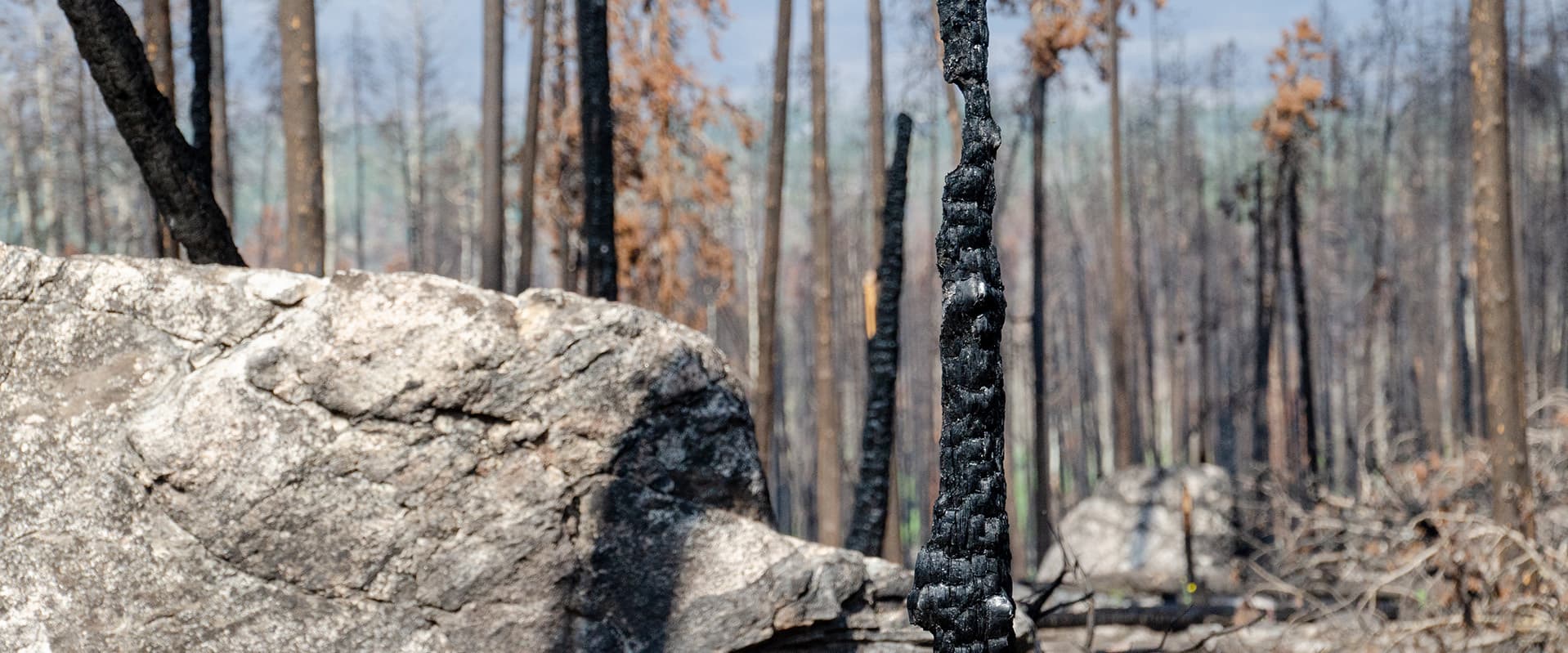
Creation Groans: A Language of God Podcast Series
How should we respond to a problem that seems unsolvable? This is the question we ask in a series about the environmental crisis as we explore the fine line between hope and despair.
Featured guests
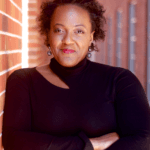
Heather McTeer Toney
Heather McTeer Toney is the executive director of Bloomberg Philanthropies’ Beyond Petrochemicals campaign. Her decades of leadership and service began at age 27 when she became the first African American, first female and youngest person ever elected mayor in Greenville, Mississippi. Under her leadership, the city emerged from significant debt and focused on sustainable infrastructure repair. In 2014, she was appointed by President Barack Obama to serve as Regional Administrator for the Environmental Protection Agency’s Southeast Region. Before joining Beyond Petrochemicals, McTeer Toney served in leadership roles at Mom’s Clean Air Force and Environmental Defense Fund. In 2023, her book Before the Streetlights Come On: Black America’s Urgent Call for Climate Solutions was published by Broadleaf Books. McTeer Toney holds a bachelor’s degree in Sociology from Spelman College in Atlanta and a law degree from the Tulane University School of Law.
Marinel Ubaldo
Marinel Ubaldo is a climate activist from the Philippines.
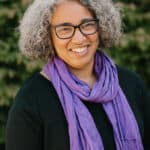
Dr. Malinda Elizabeth Berry
Dr. Malinda Elizabeth Berry serves on the teaching faculty and directs the Faith Formation Collaborative at Anabaptist Mennonite Biblical Seminary in Elkhart, Indiana, the traditional homeland of the Miami and Potawatomi peoples. In her scholarly work, she focuses on widening the peace theology conversation to include ecology and spiritual activism. In her personal work, she enjoys the ordinary challenges of radical homemaking and serving on the board of her local cooperative grocery store. Knitting and drinking tea help her weather most storms.

Madeleine Jubilee Saito
Madeleine is a Christian and artist who creates experimental cartoons. The comic she reads in the episode, “For living, in climate crisis” was created during the she spent as an artist in residency at On Being. Her forthcoming book is called “Sacred Place: Visual Poems for Living in Climate Crisis.”
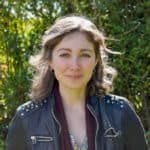
Hannah Malcolm
Hannah is an Assistant Curate in the Diocese of Newcastle. Her PhD offered a theological anthropological frame for interpreting and expressing climate and ecological grief and loss. She sits on the Church of England Environment Working Group and on the board of Operation Noah, a Christian charity working to inspire climate action. She regularly speaks and writes on theology and climate change, and is the editor of Words for a Dying World: Stories of Grief and Courage from the Global Church.
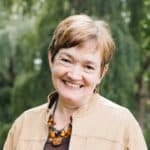
Robynn Bliss
Robynn Bliss is a certified Spiritual Director trained in the Contemplative Evocative approach.
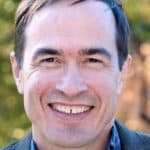
Lowell Bliss
Lowell Bliss is a climate activist, the director of the Eden Vigil Institute for Environmental Leadership at William Carey International University, and the co-director of the Christian Climate Observers Program. Robynn and Lowell were missionaries in India and Pakistan for 14 years and now reside in the Great Lakes eco-system of southern Ontario. Their books include Expectations and Burnout, Environmental Missions, and People, Trees, and Poverty.