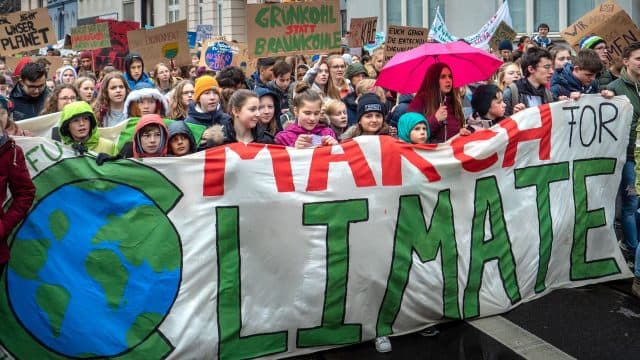
Finding Peace in the midst of Climate Anxiety
Ecologist Veronica Frans wrestled with climate anxiety after the California wildfires. Walking with Christ led her toward peace, hope, and stewardship.

Image used under license from Shutterstock.com
Moving to California after finishing my doctorate last year felt like a dream.
After the many years of hard work and trials that led me to this moment, I had made it. I landed a position at Stanford University, doing research in Monterey Bay. Living here means I get both the excitement of Silicon Valley and the refreshment of ocean waves.
Absorbing my surroundings, I felt blessed. I felt like I could finally rest.
But then the stressors came.

CAL FIRE_Official, Public domain, via Wikimedia Commons
January 7, 2025, marked the start of a massive series of wildfires in Los Angeles and San Diego Counties. The fires ravaged over 57,000 acres of lands, businesses, and homes across Southern California. Over 200,000 people were forced to evacuate. Hundreds of lives were eventually lost.
Though I lived six hours away from this disaster, this was the closest I had ever been to a climate-exacerbated crisis. I lamented the situation, as I normally do when I hear such news. But this time, it also hit me that I could be next.
Scenarios began running through my mind. Coming from New York City I had learned to be cautious on the streets, but never had I experienced such a heightened level of fear, caution, and vigilance within my own home. I scrolled, asked, inquired, researched, and prepared, but there was no peace.
For the first time in my life, I was experiencing “climate anxiety.”
What is climate anxiety?
I had heard of climate anxiety before, but until then I assumed it only meant being “concerned” or “worried” for our planet. It turns out that it is far more complex and intense.
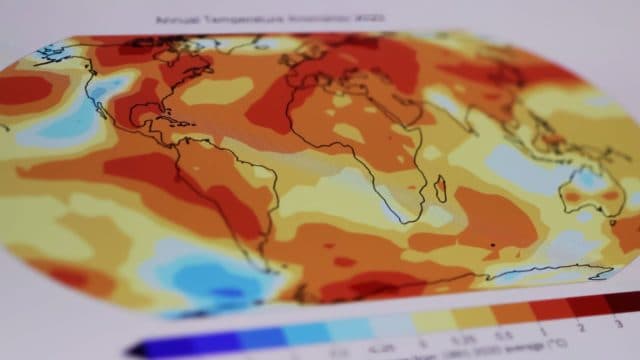
Climate anxiety (also known as eco-anxiety) is a lasting apprehensiveness, uneasiness, worry, and distress about climate change and its effects. It exceeds “worry” or “concern” because it is far more persistent and difficult to control.
Stemming from feelings of helplessness, powerlessness, overwhelm, and confusion, climate anxiety impacts more than your emotions. It can have cognitive, behavioral, and physiological effects.
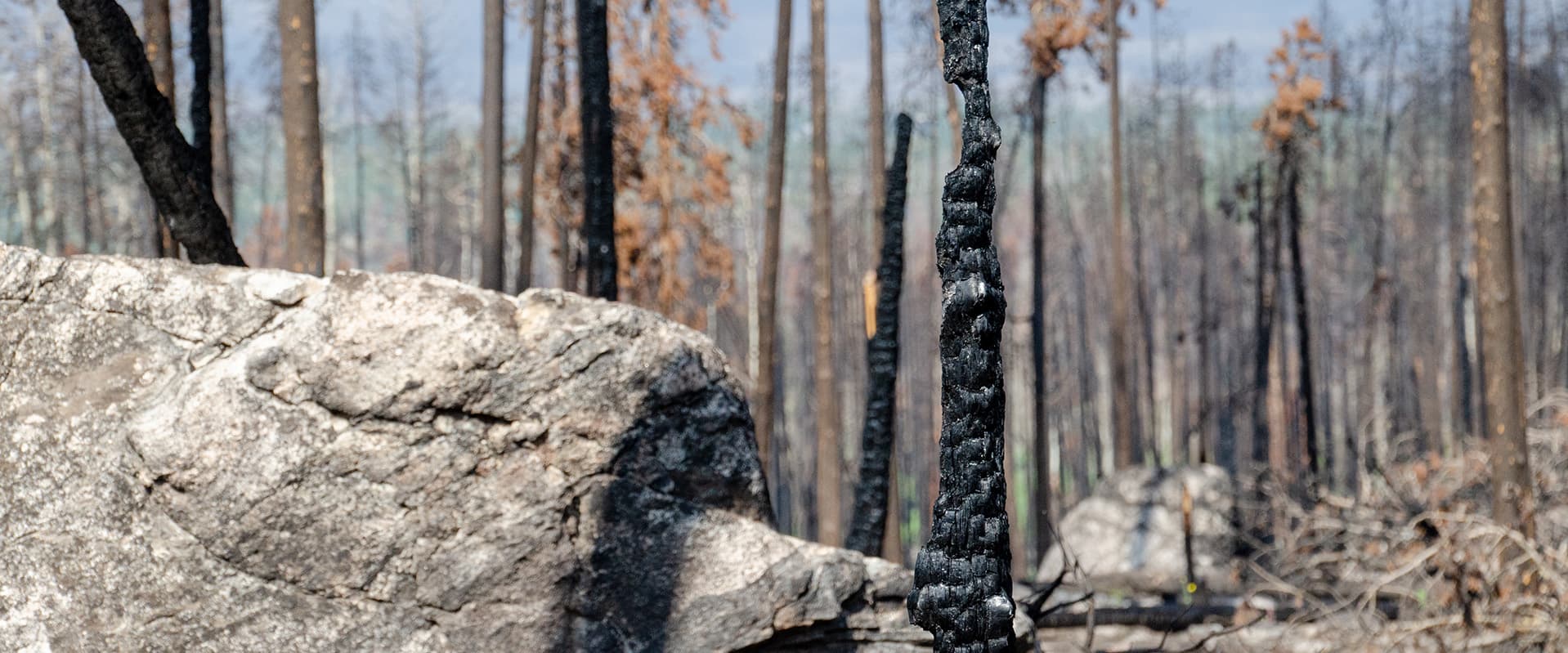
Creation Groans | World of Wounds
We explore some of the wounds to the planet that often go unseen and we realize that the path to hope begins with the acknowledgement that the wounds are deep and troubling.
As Christians, we’re supposed to feel relieved when we say that climate change is big, but our God is bigger. We’re supposed to find comfort when we affirm that our God is sovereign and he will provide. We’re supposed to take heart when we declare that a new Heaven and a new Earth are coming.
So why is it that when we say these things, anxiety about our planet remains?
Why aren’t such words enough?
Walking with Christ through climate anxiety
As an ecologist, I work with complex systems and theories all the time. Yet, it’s only through my walk with Jesus that I’ve been able to resolve the complexities of my heart.
From sitting with the Lord about my worries for our planet, I realized that phrases about his character, sovereignty, or victories weren’t relieving me because they required me to shift my focus from myself or the world to him. Without that shift, such phrases felt empty.
Jesus is not only our Comforter, but also our Teacher. Yes, he wants to be with us in our worries, anger, doubts, and angst. But while he is with us in those moments, he also wants to offer us a chance for change.
As a big God, I focused on him showing me how he is working in big ways now, or on trying to figure out how he would do so in the future. As a sovereign God, I focused on whether any proof of him providing was good enough. As a victorious Savior, I focused on what others needed to do or believe to bring the new heaven and new Earth here today.
All these thoughts included God, but they were not about God alone. Thus is the life of the anxious mind. It’s also the walk of a disciple.
“Cast all your anxiety on him because he cares for you.” (1 Peter 5:7).
In considering my own feelings, I reflected on a few moments in the New Testament where people expressed their emotions around Jesus: Peter sinking after taking a few steps on water (Matthew 14:22-33); the disciples battling a storm (Mark 4:35-41); the Pharisees surrounding an adulterous woman (John 8:1-11); Peter trying to protect Jesus from his death (Matthew 16:21-25); Jesus’ parents after they lost him for three days (Luke 2:41-52); and Martha as she hosted Jesus and his disciples while Mary didn’t help (Luke 10:38-42).

Rembrandt, The Storm on the Sea of Galilee, 1633, Public domain, via Wikimedia Commons
In all these circumstances, I noticed that Jesus didn’t dismiss or ignore their feelings. Instead, he saw their emotional expressions as opportunities for profound teaching:
- He asked sinking Peter to find the source of his doubts.
- He asked his fearful disciples why they still lacked faith.
- He offered the emotionally-dysregulated Pharisees to consider their own faults.
- He revealed to overprotective Peter that his concerns for Jesus were not of God.
- He assured the confused Mary and Joseph that they always could find him with the Father.
- He told Martha that despite the hustle and bustle, a pause at his feet was the better choice.
From these examples, I see that Jesus is not only our Comforter, but also our Teacher. Yes, he wants to be with us in our worries, anger, doubts, and angst. But while he is with us in those moments, he also wants to offer us a chance for change.
Finding rest in Jesus’ teaching
In these stories, I noticed that Jesus redirected the anxious and dysregulated to somewhere deeper or higher. Somewhere deeper because he wants us to guard our hearts and minds (Proverbs 4:23; Philippians 4:7) to experience a peace that differs from what the world could give (John 14:27). And somewhere higher because his ways are always higher than our ways (Isaiah 55:8-9) and he wants us to spend time with him as God.
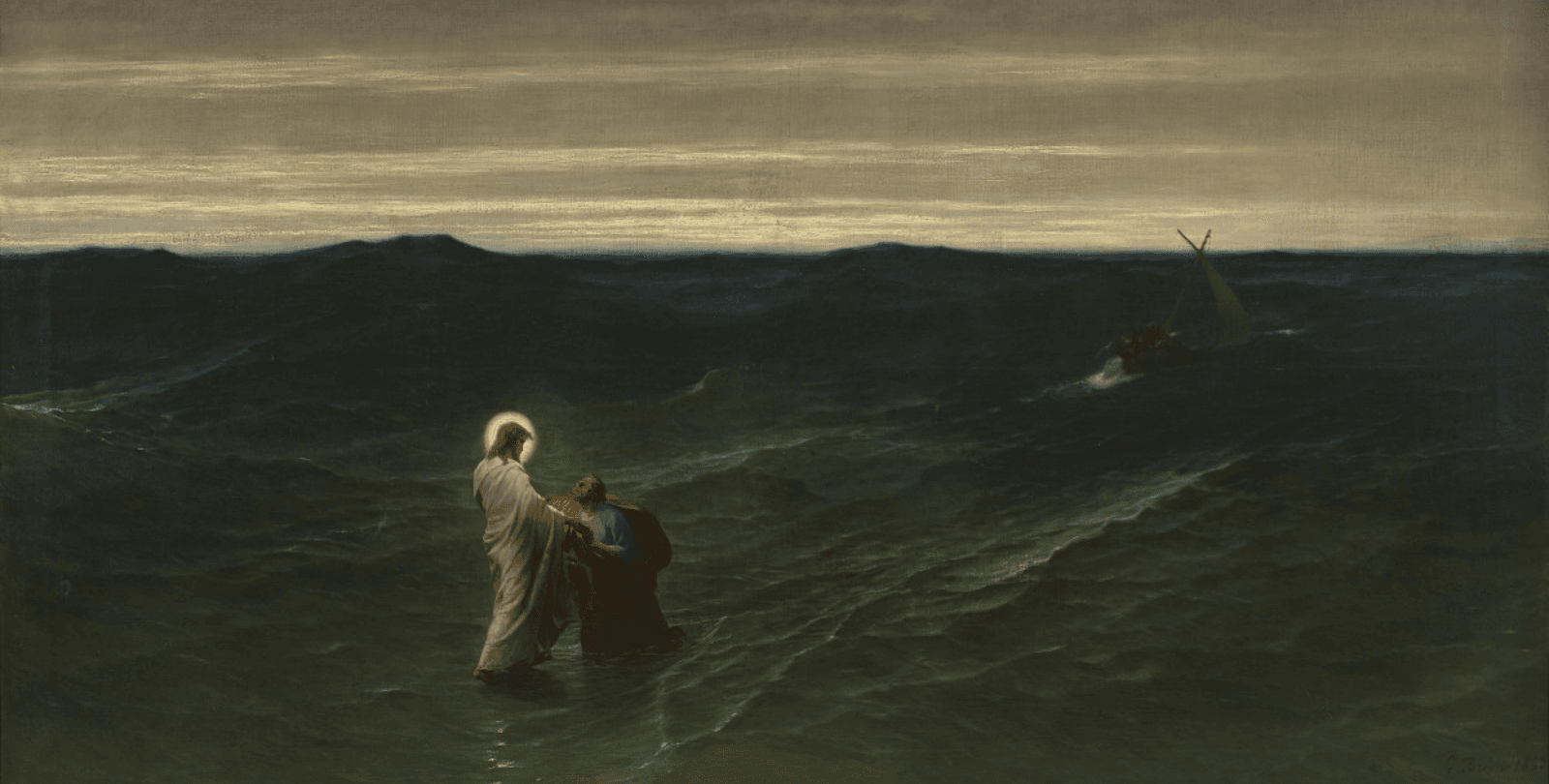
Gustave Brion, Jesus and Peter on the Water, 1863, Public domain, via Wikimedia Commons
In my own story, I picture Jesus asking me to find the sources of my doubts. I picture him imploring me to internally discover why my faith is lacking when I’ve seen him move in amazing ways before. I picture him reminding me of the ways that I’m not perfect while I’m stuck in “shoulda, coulda, woulda” scenarios about others and the world. I picture him telling me to discern my concerns and how they relate to his sovereign plans and glory. I picture him offering me opportunities to find him in my anxieties, sit with him, and rest.
Finally, I picture Jesus, my Great Teacher, desperately desiring to transform me in ways that relieve me from my running mind.
Then Jesus said, “Come to me, all of you who are weary and carry heavy burdens, and I will give you rest. Take my yoke upon you. Let me teach you, because I am humble and gentle at heart, and you will find rest for your souls. For my yoke is easy to bear, and the burden I give you is light.” (Matthew 11:28-30 NLT).
As we come to Jesus, he wants to teach us, and in his teaching we will find rest.
Rooted in peace
To be clear, having a peaceful spirit in the face of climate change does not mean that we don’t care.
After all, such peace does not come from not caring or worrying. It comes from caring and seeking God.
We can find peace when we worry and cast those concerns to him. We hold onto it by staying informed and running to him for comfort and understanding when we feel overwhelmed.
As Christians, finding peace is the first thing we can do for our planet… Peace will help us to discover and do our part gracefully, gradually, and sustainably—no matter how big or small.
After all, God gifted us with tender hearts (Ephesians 4:32). He prefers a heart of flesh over a heart of stone!
But he also encourages us to not get caught up in the patterns of this world (Romans 12:12).
Climate anxiety traps us with its persistent and difficult to control nature. So let us find ways to be transformed by the renewing of our minds, which is what Jesus taught in the stories above.
In the face of climate change and whatever climate anxiety brings, it is my hope that Christ our Great Teacher will lead us to a climatic change within. As Christians, finding peace is the first thing we can do for our planet. I believe this because everything we do flows from the heart (Proverbs 4:23). To me, this “everything” includes how we steward God’s creation and live within it as it groans (Romans 8:19-22). Peace will help us to discover and do our part gracefully, gradually, and sustainably—no matter how big or small.
Note from the author: Sometimes, when we are in a dark place and it’s hard to find any sense of control, Jesus can use others to help. If you’re struggling in any way, I encourage you to reach out to friends, family, church leaders, therapists, counselors, or other professional helpers. The Suicide Prevention Line is also a free and available 24/7 resource at 988 (US and Canada).
About the author