COP30 Reflections: Slow Progress, Enduring Hope
A firsthand look at COP30 reveals that while official progress is slow, hope emerges in the stories of people building and protecting their communities.
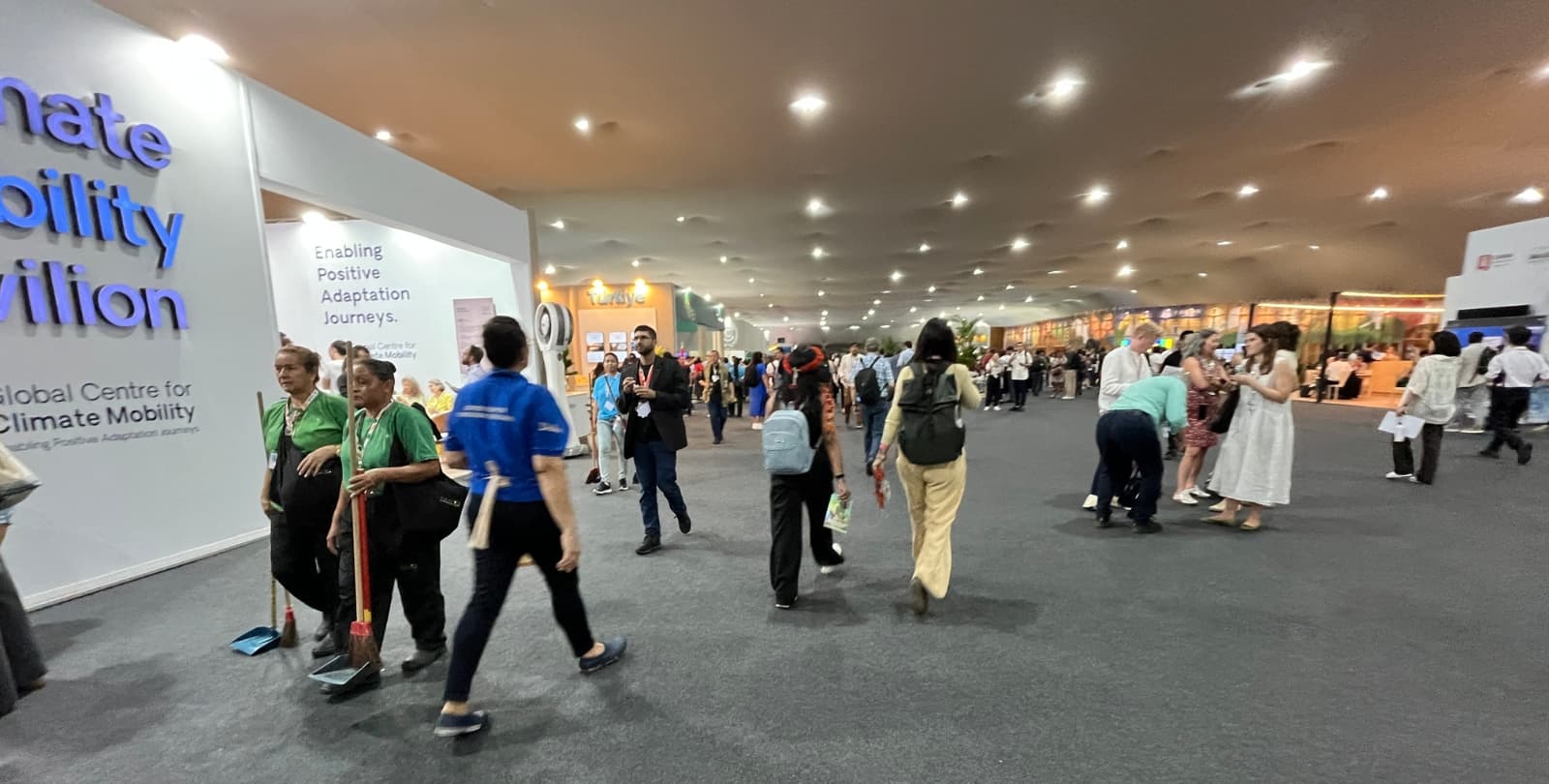
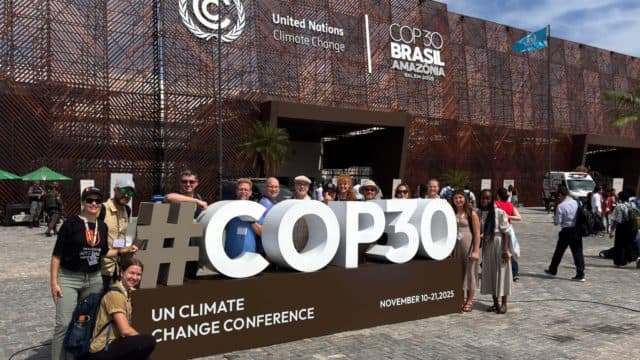
Photo courtesy of Colin Hoogerwerf.
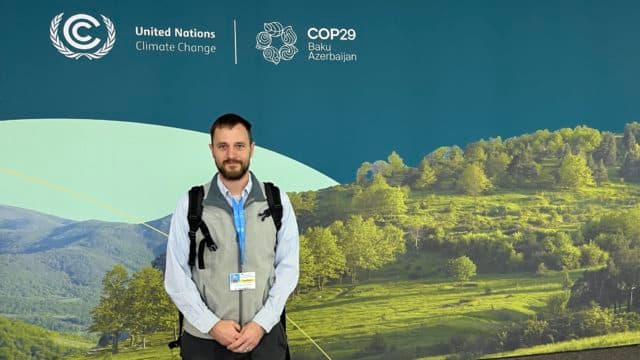
COP30 took place in Belém, Brazil this November. Each year, COP (standing for Conference of the Parties) brings together UN nation-states to work toward limiting the harmful impacts of climate change.
As Christians, we are called to steward God’s creation and love our neighbors. We’ve attended COP (along with the Christian Climate Observers Program, or CCOP) for the last few years because its outcomes profoundly shape how we fulfill that calling.
“So, how was COP30?”
That’s the thing I’ve been asked most often since returning from Brazil.
It’s an appropriate and well-intentioned question, but it’s also a complicated one. People usually want a quick answer, but the reality is that COP is many things all at once.
There are the official negotiations, where delegates work to reach agreements that will guide global climate action and support those impacted by it.
There are the observers—officially designated by the UN—who aren’t negotiating directly, but may still influence the process through the conversations they have and the stories they tell.
And because COP moves to a new city each year, the destination itself becomes part of the story. Perhaps this has never been more true than for this year’s proceedings in Belém, the gateway to the Amazon rainforest.
So when someone asks me “How was COP?” I find myself answering in terms of these three aspects:
- How were the negotiations? Uninspiring—but the delegates haven’t given up.
- How were the people you met? An absolute joy. They make the whole clumsy and frustrating process worthwhile.
- How was the Amazon? Beautiful and full of life—but it will not stay that way unless we choose to protect it.
That’s the short answer, which I shared in my daily blog during the COP. For those willing to go deeper, I offer more reflections below—along with a few audio clips from fellow attendees whose voices shaped my experience.
The Negotiations: Falling Short, but Still Pushing Forward
At BioLogos, we talk about “rational hope,” or the idea that we can accept the enormity of a problem like climate change and still act with the hope of the Gospel. In that spirit, we should acknowledge that COP30’s negotiations fell short of the ambition many hoped Brazil could deliver.
Xuthoria, CC BY-SA 4.0 <https://creativecommons.org/licenses/by-sa/4.0>, via Wikimedia Commons
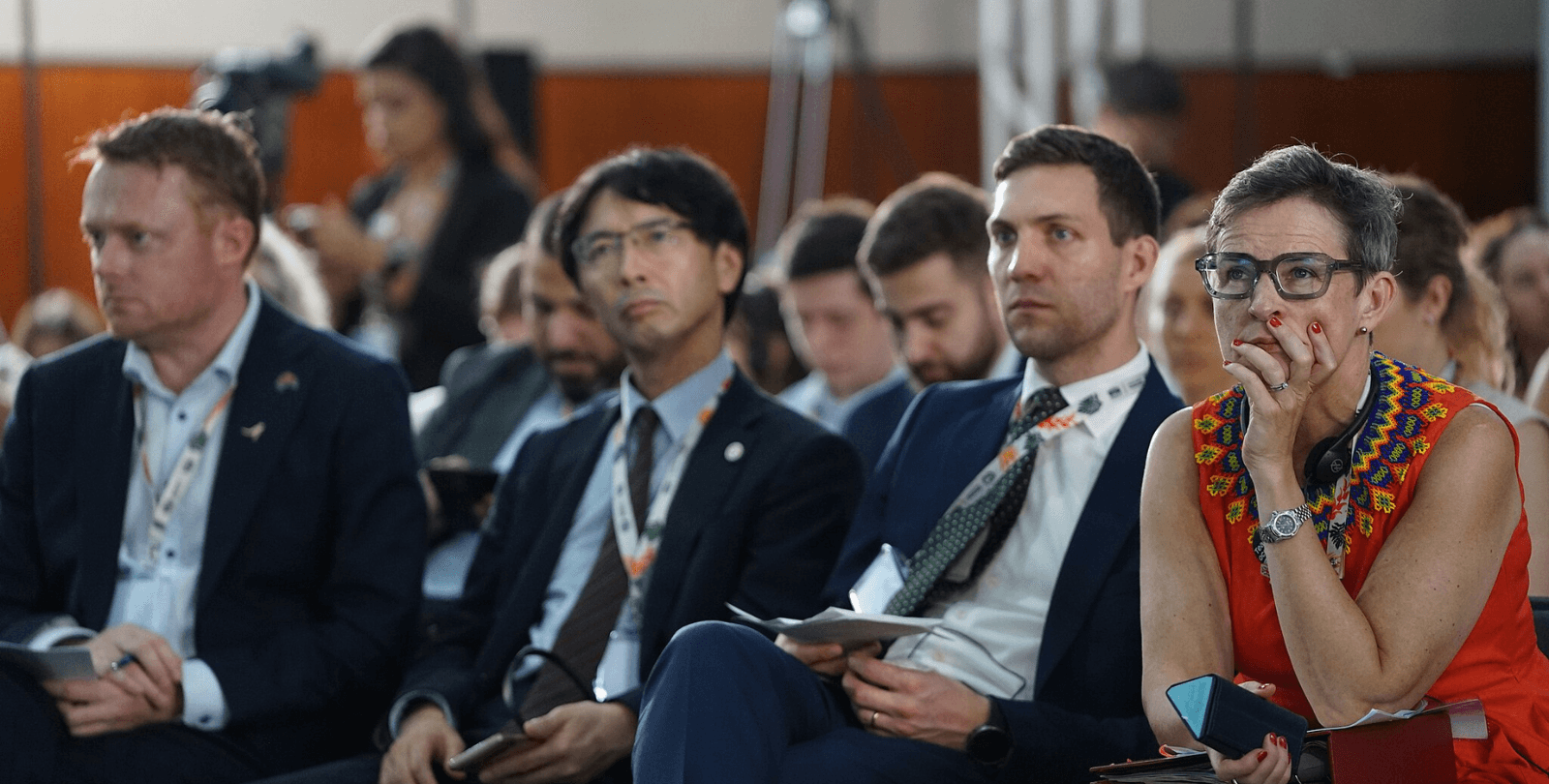
Negotiators couldn’t agree on language about transitioning from fossil fuel to renewable energy. In fact, the words “fossil fuels” didn’t even make it into the text of the final agreement. The belief that hosting COP in the Amazon would yield a binding plan to halt deforestation also went unfulfilled.
These were major letdowns, but not everything stalled.
Delegates committed to increased funding to help vulnerable communities adapt to climate impacts. They also affirmed that the transition to cleaner energy must be fair and just, with a specific focus on supporting vulnerable communities.
Indigenous groups gained recognition for protected lands and received promises for forest protection, even if their voices didn’t make it as far into negotiating rooms as some hoped.
Progress was uneven, but not absent. Click below to hear a brief reflection on our role in creation care from Chloe Brimicombe, climate scientist and CCOP guest.
The People: Stories of Resilience, Faith, and Courage
A bright spot of every COP is the people you meet in hallways alive with different languages, traditional clothing, and stories from around the world.
We came looking for accounts of how individuals and faith communities are experiencing and responding to climate change, and we found plenty at COP30.
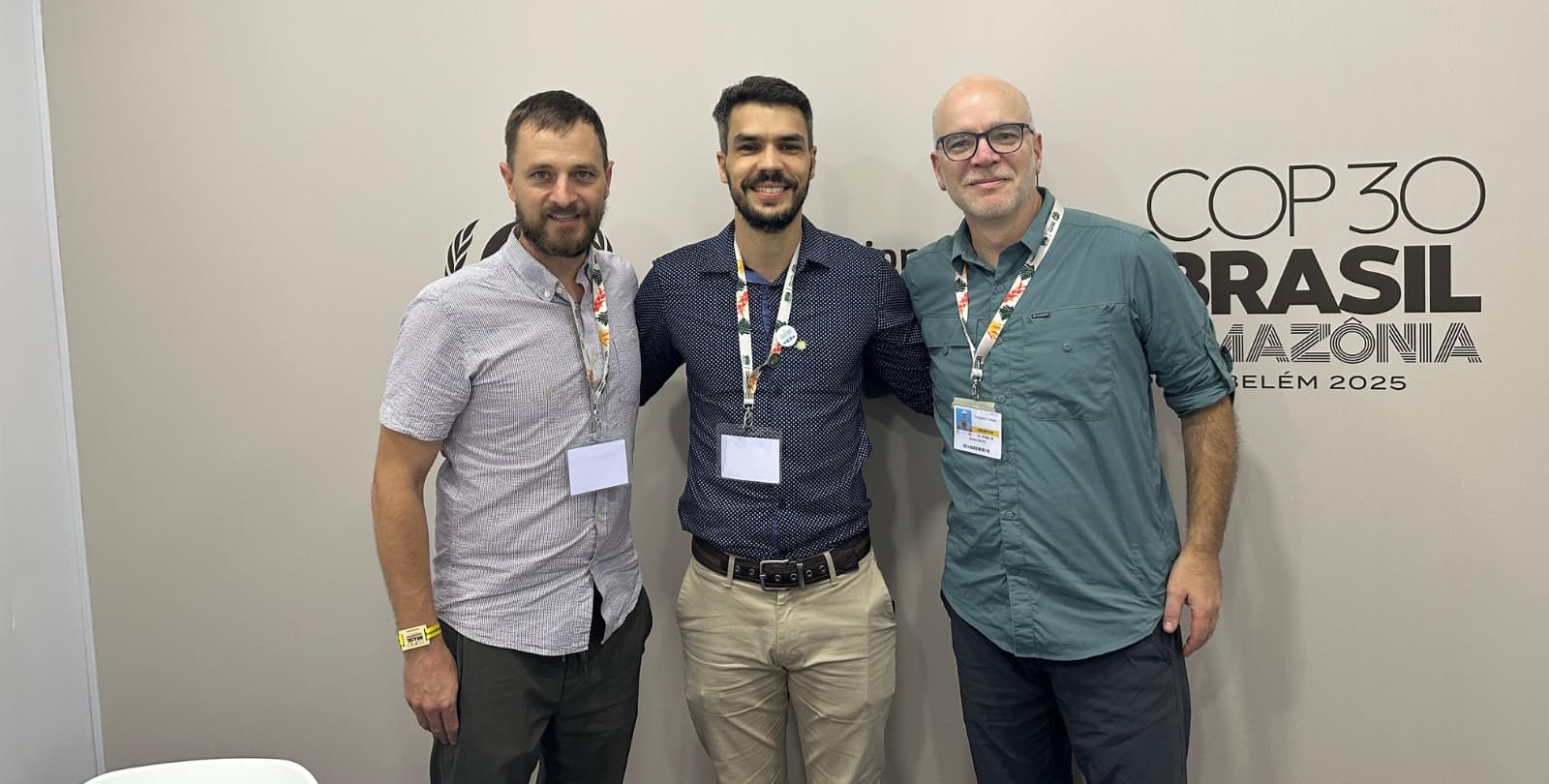
Photo courtesy of Colin Hoogerwerf.
Here are just a few stories that stuck with me:
Guilherme Gastal, an environmental engineer and Anglican climate advocate, told me about devastating flooding in his community in Southern Brazil. Yet he also spoke of neighbors rebuilding together and churches fostering resilience that will help their communities move forward. Hear from Guilherme by clicking below.
Emilie Teresa Smith, an Anglican priest, traveled to Brazil almost entirely by land, spending time across ten countries and 25 communities. She saw environmental devastation, but she also witnessed communities refusing despair and choosing to live as if they truly belong to one another and the land. Hear from Emilie by clicking below.
Among the CCOP cohort, I was surrounded by Christians who shared stories marked by vulnerability, grief, and imagination. I’m sure in their own homecomings they’re being asked the same questions I am, and I know they are answering in wise and profound ways. I’m excited to see how they will build resilient faith communities all around the world. Hear from Naomi Kaczor, student and CCOP participant, by clicking below.
The Amazon: Life on a Knife’s Edge
COP30 was held in the city called “the gateway to the Amazon” as a way to highlight the rainforest’s global importance. Unfortunately, that plan ran into the reality of logistics.
Belém is a vibrant city, but it’s not built to host 56,000 visitors at once. Lodging was scarce and expensive, forcing many attendees to cancel at the last minute.
And even though Belém is in the Amazon region, it’s also a metropolitan area. Most delegates moved between their hotel and the conference center without ever seeing the rainforest itself.
I was determined not to let that be my experience.
A large park sits at the edge of the city, and I visited it repeatedly. I saw toucans, a sloth, a capybara, blue morpho butterflies, a green iguana, and countless plants and animals I couldn’t name.
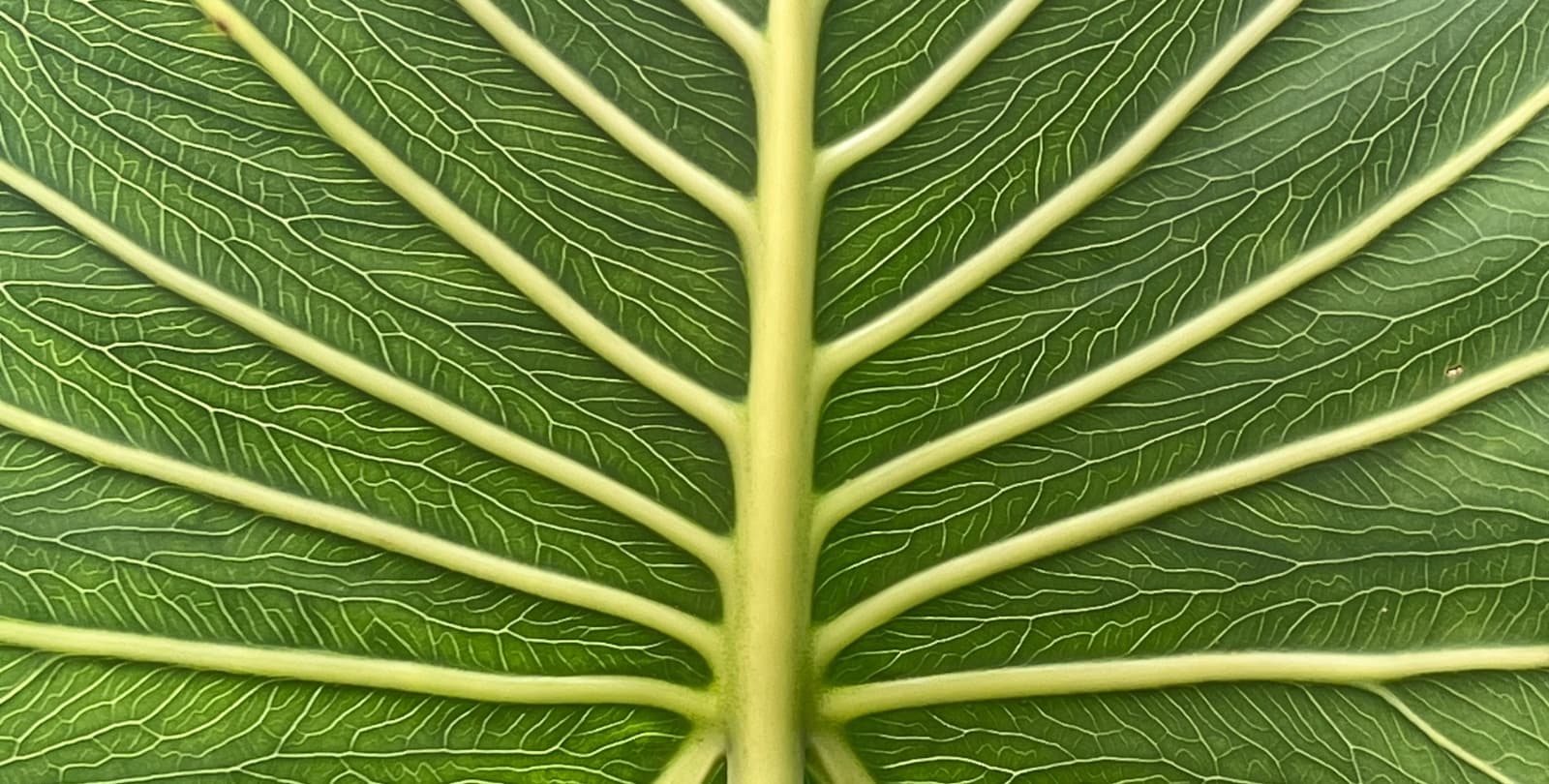
Photo courtesy of Colin Hoogerwerf.
But what struck me most were the sounds. Early in the morning, before the city fully wakes, the forest is a wall of noise—cicadas shrieking with such intensity you can feel the pressure in your skull, birds calling and cackling from every direction, the layered thrum of life disappearing up into the canopy.
It is a place overflowing with vitality—and also one perched on a knife’s edge.
The Amazon is central to the entire planet’s climate system. Its trees pull water from the Atlantic Ocean and pump it across the continent through a cycle of evaporation and rainfall.
But that moisture pipeline weakens as deforestation spreads. Scientists warn that if too much forest is lost, the whole region could flip into a drier grassland. If that happens, the Amazon’s role as a massive storehouse for carbon would collapse, releasing enormous amounts of greenhouse gases and altering weather patterns far beyond South America.
In other words: the Amazon is full of life, but it will not stay that way unless the world chooses—clearly and decisively—to protect it.
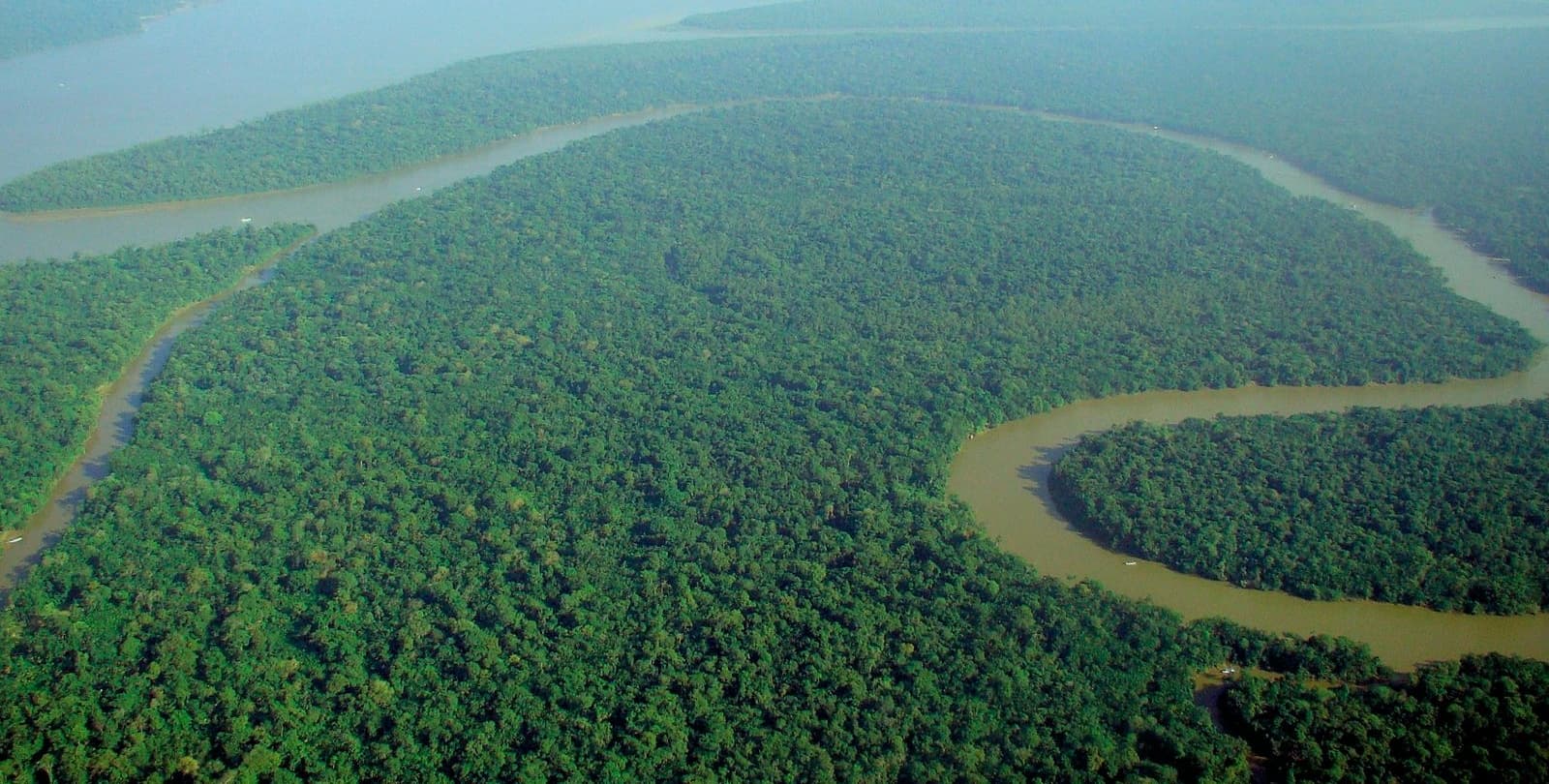
lubasi, CC BY-SA 2.0 <https://creativecommons.org/licenses/by-sa/2.0>, via Wikimedia Commons
Coming Home: Holding onto the Stories
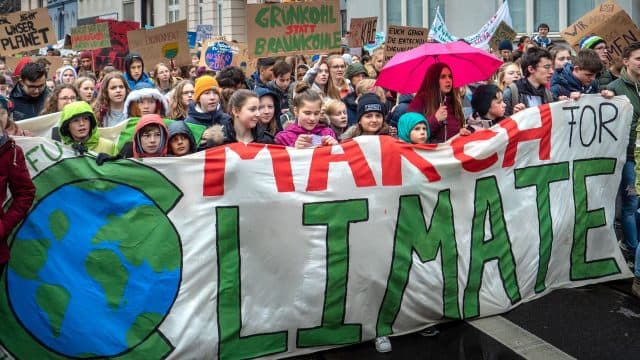
COP30 was a clarifying experience. For a few days, I couldn’t ignore the suffering of people in distant parts of the world. I found myself surrounded by people shouting out for change to be made.
Despite the lack of official progress, COP30 was a place where grief and fear come together with action, imagination, and hope.
As I return to a comfortable home, a familiar routine, and the warmth of the holiday season, I hope the stories I found will keep me from complacency. I’m encouraged knowing that my fellow CCOP participants around the world are also carrying the stories they found.
Also read and listen to:
- Live from COP30: Daily Stories of Faith and Climate
- Christian Climate Observers | Stories from COP29 & Around the World
- Finding the Heart of COP29
- Why Should Christians Care for Creation?
The best way to remember these stories is to tell them, so I’ll end with one more:
Emilie Teresa Smith told me about a man living in Central Mexico who considers the river in his community a brother. The river is now poisoned, and has been declared dead.
And yet, Emilie says, “He’s living beside it. He’s living beside his dead brother, and he’s creating life. He’s refusing to allow this monster of death to have the last word.”
May we all do the same.
About the author
Colin Hoogerwerf
Related Resources
Podcast Episode
Common Question