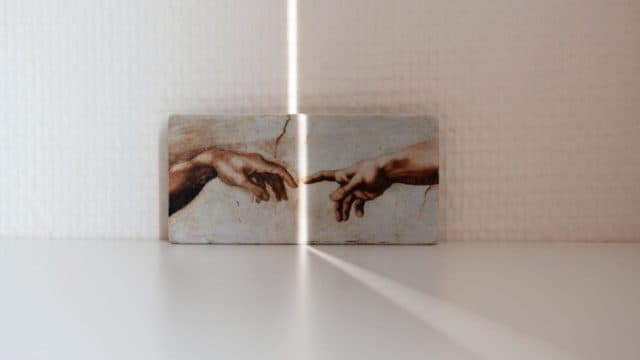
Creatureliness: What It Means to Belong to God’s Creation
Creatureliness is the reality that humans belong to God’s created world. It reminds us of our place as God’s image bearers in creation, not apart from it.
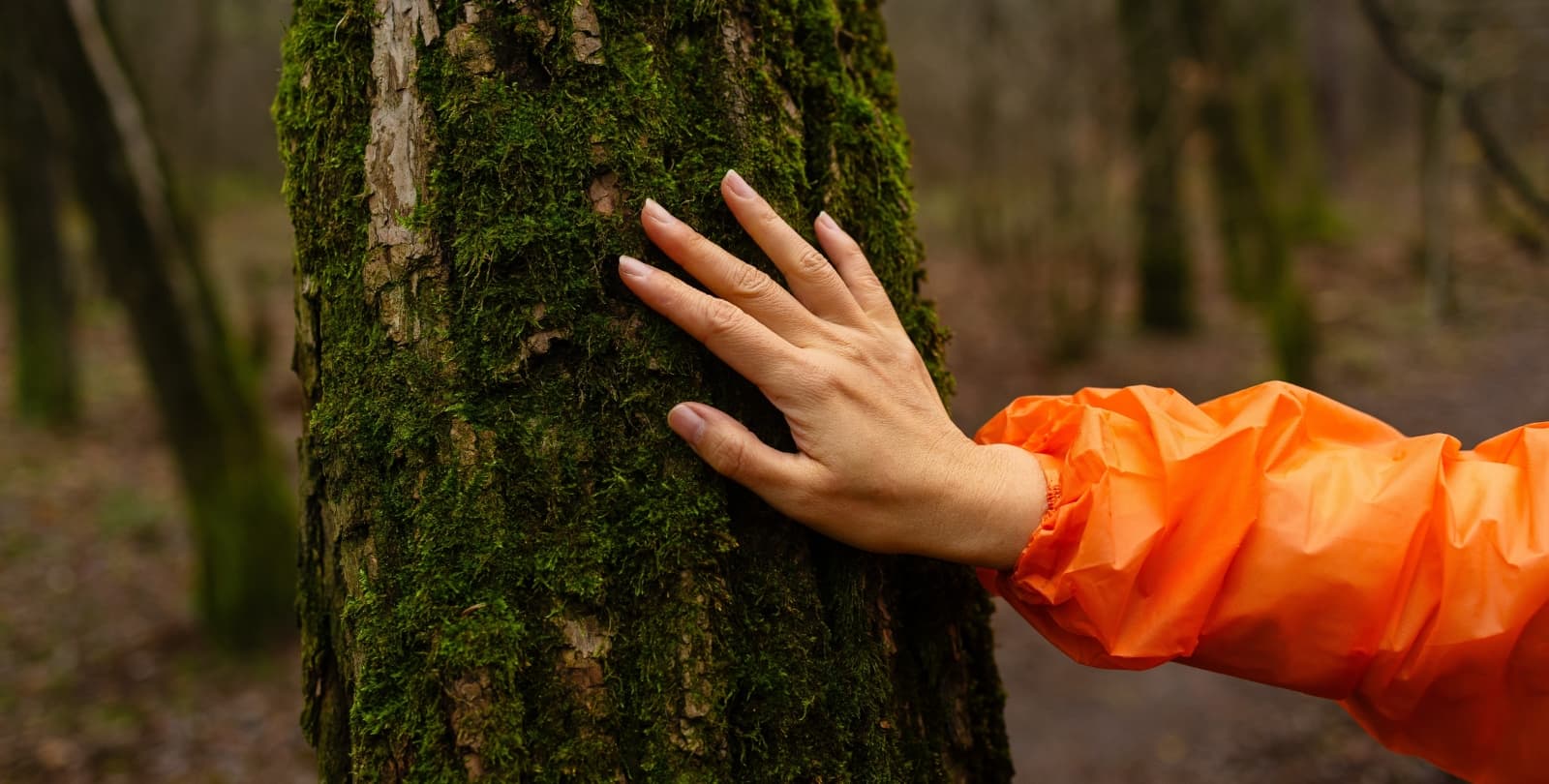
Image used under license from Shutterstock.com
Creatureliness is the reality that we humans are part of and profoundly connected to God’s created world.
It’s a concept grounded in Scripture and science. In Genesis, humans are made from “the dust of the ground” (Genesis 2:7), like other creatures. Biologically, we share deep continuity with—and in fact depend on—the rest of creation.
Creatureliness does not say that humans are not unique. Rather, it means our uniqueness is expressed within creation, not apart from it. Since we are creaturely and have been gifted with particular abilities, we have a responsibility to be gentle with the world.
In this reflection, Colin Hoogerwerf considers what our creatureliness can teach us about ourselves and our place in creation.
When I was young, middle school maybe, my best friend and I had a simple exchange about a surprisingly deep topic: whether humans are animals.
It occurred in the place where many of our conversations happened: 40 feet up a giant white pine which grew in his backyard.
We basically lived in that tree over those summers—so much so that we kept a bucket of “sap soap” under the sink to scrub our hands after our climbs. When it comes to my wonder at creation, that tree—its smell, the feel of its bark, the way I scrambled up its branches until they became too thin to stand on—played a formative role.
As we were swinging among the branches one day, I made a comment implying that we—like the monkeys we were imitating—were animals.
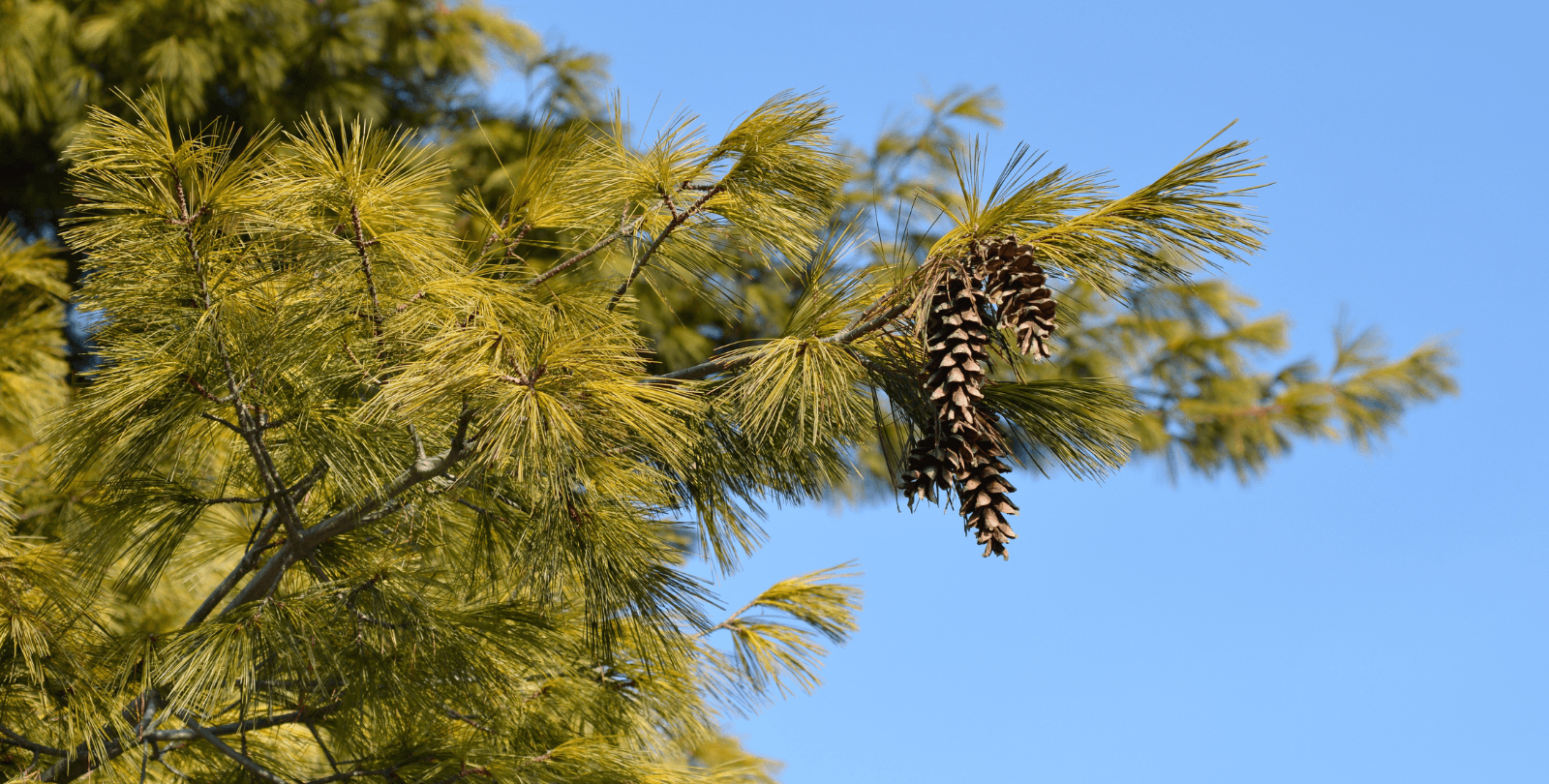
Image used under license from Shutterstock.com
My friend paused his climbing. “We’re not animals,” he said. “We’re humans.”
I responded in the gentle, self-assured fashion of a middle schooler who knows it all. I calmly explained what I had learned in school: that we are primates, that primates are mammals, and that mammals are part of the animal kingdom. Therefore, we are animals.
I’m not sure where the conversation ended. Maybe I convinced him with my simple logic, or perhaps he simply trusted his older friend’s confident response. Or, maybe most likely, we both got bored of the conversation and became more interested in imagining the wild world we looked over from atop the pine tree.
We didn’t know it then, but we’d touched on a question I would keep asking for a long time: What kind of creatures are we? What is humanity’s place in creation?
We Are Animals—But That’s Not the Whole Story
Looking back, our middle school selves couldn’t have known how interesting and nuanced a conversation we had started.
Yes, we are animals, biologically speaking. But we can’t leave it at that. This definition is imperfect on its own—simultaneously too broad and too narrow.
In one sense, it’s too broad because we are a very specific species of animal. We have opposable thumbs, a large neo-cortex, and innumerable other qualities that help to define our species. To get even more granular, we are each individuals that hold distinct memories, feel emotion, sense the world around us, and act in our own way.
To be human is to belong to the created world in all its complexity and in relationship to everything else. This is the essence of creatureliness.
On the other hand, “animal” is too small a category. We are alive, which means we also share our history and our being with plants, bacteria and viruses. And we are even shaped by the non-living, yet completely dynamic natural world of rock and water and air.
To be human is to be an animal, but also to be individual (unique!) and to be alive (amongst all life!). To be human is to belong to the created world in all its complexity and in relationship to everything else. This is the essence of creatureliness.
Learning Creatureliness by Observing Creation
When we want to more deeply understand our creatureliness, it makes sense to look around us.
Often, the first things we notice are differences. Nothing else uses tools quite like us. Nothing else leverages language just like we do.
Every species has its own set of distinct characteristics. It’s what makes a species a species. It’s important to spot these points of contrast. They are real, and recognizing our particular strengths can make us better humans.
But when we look a little longer, we begin to see more than just the differences.
We catch similarities that weren’t apparent before. As I learned while on assignment for the Language of God podcast, an octopus—a creature so different from us in so many ways—can identify individual humans, and reach out a tentacle in curiosity that reflects our own. We are not alone in our awareness of the world around us.
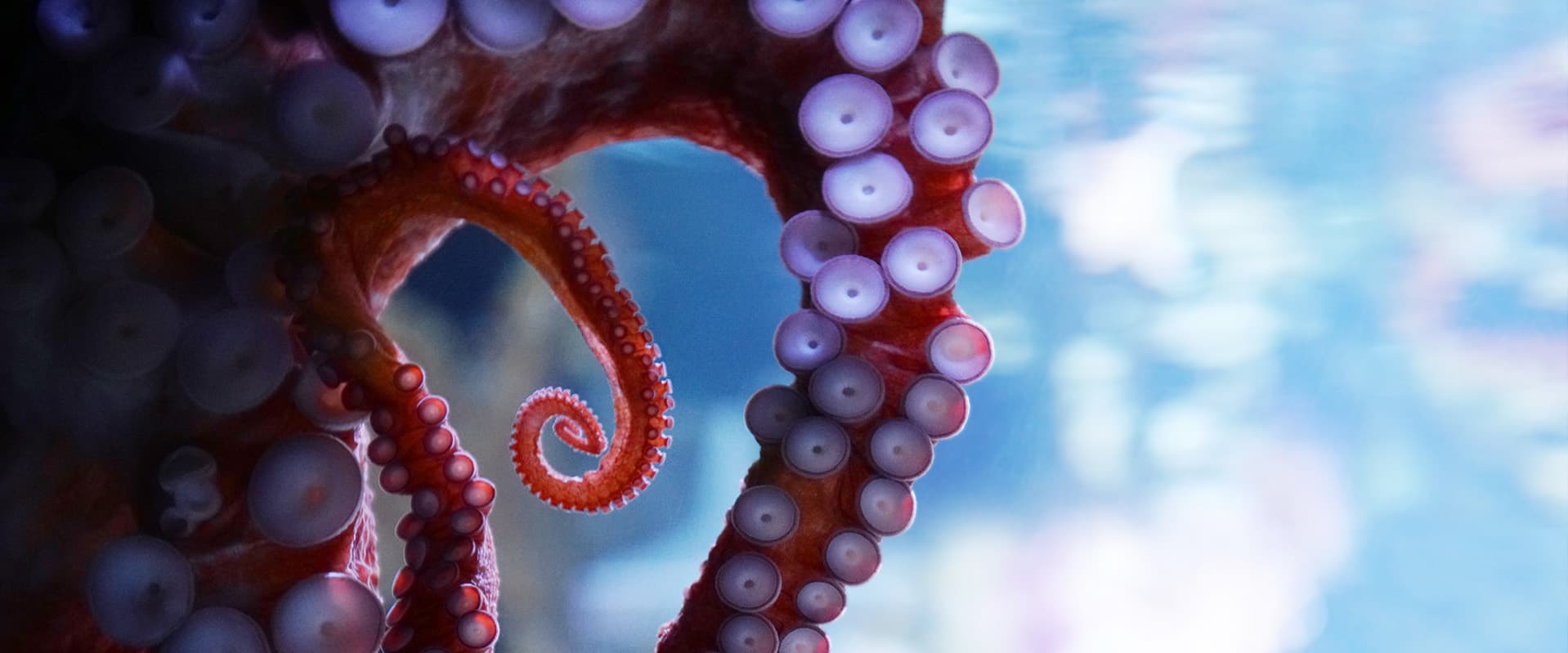
Cool Creatures | Giant Pacific Octopus
We explore the fascinating life and science of the giant Pacific octopus and we look at what it tells us about the Creator of All Things.
We also begin to see things in other creatures that we cannot do and cannot possibly be, like plants turning sunlight into energy and bats creating complex maps of their world through sound.
Bringing these similarities and differences together place us within the context of creation. We see the ways in which we cannot be human without other creatures, and we realize that the development of our species happened in response to everything around us—from the plants which sustain us to the viruses that both harm and help us.
Creatureliness and the Image of God
We are not only defined biologically, but also theologically. We were created, among all our creaturely relatives, in the image of God (Genesis 1:26-27).
And so what is God like?
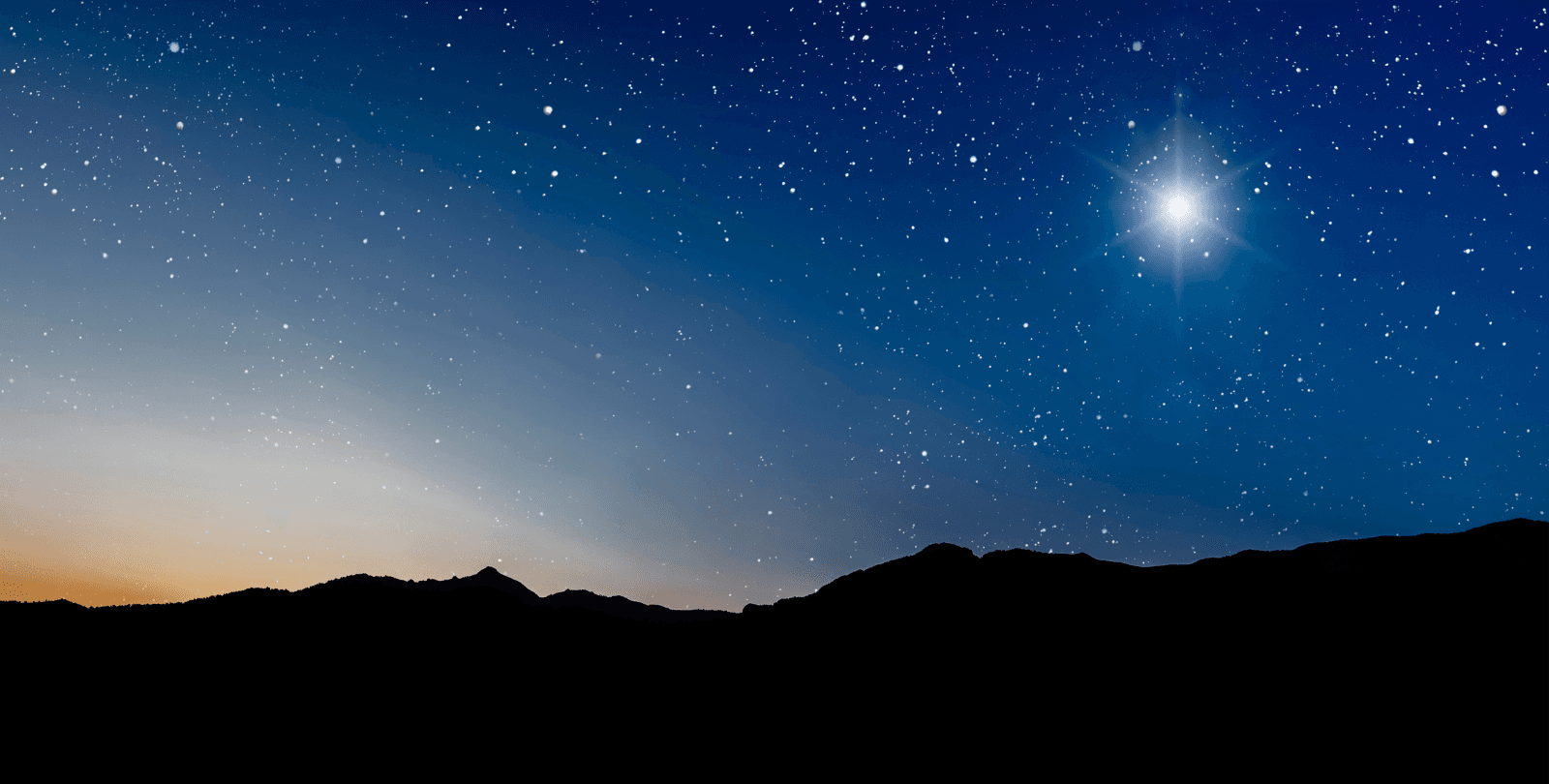
Image used under license from Shutterstock.com
God is the creator who delights in creation, who not only watches from afar but enters in. God came into creation through Jesus, a human animal. God seems to want to have feet in the dirt, wants to taste and breathe.
To be made in the image of God is to be made in the image of One that wants to be a part of creation, not apart from it.
We Belong to the Created World
As I told my friend so long ago: yes, we are animals.
We are primates, sharing a fairly recent history with gorillas and galagos (bushbabies). We are mammals alongside dolphins and dingos. We are chordates, sharing our ancestry with the likes of hagfish and herring. We are of course animals, one member of that great menagerie you see when you walk through the zoo.
Also read/listen:
- Are Humans Just Animals? Scripture, Science, and Identity
- Uniquely Unique: A Language of God Podcast Series
- Why Should Christians Care for Creation?
But it keeps going. We are also opisthokonta, the supergroup that contains fungus. And we are eukaryotes, the domain that contains protists. We are kin even to the viruses that wove themselves into our DNA.
We share our being with all of life. That means we are creatures who can climb trees, who can ponder what it means to do so, who can look out over the wild world below and realize that we belong.
About the author

Colin Hoogerwerf
Related Resources
Podcast Episode
Cool Creatures | Ticks
Podcast Episode
Podcast Episode
Cool Creatures | Ferns